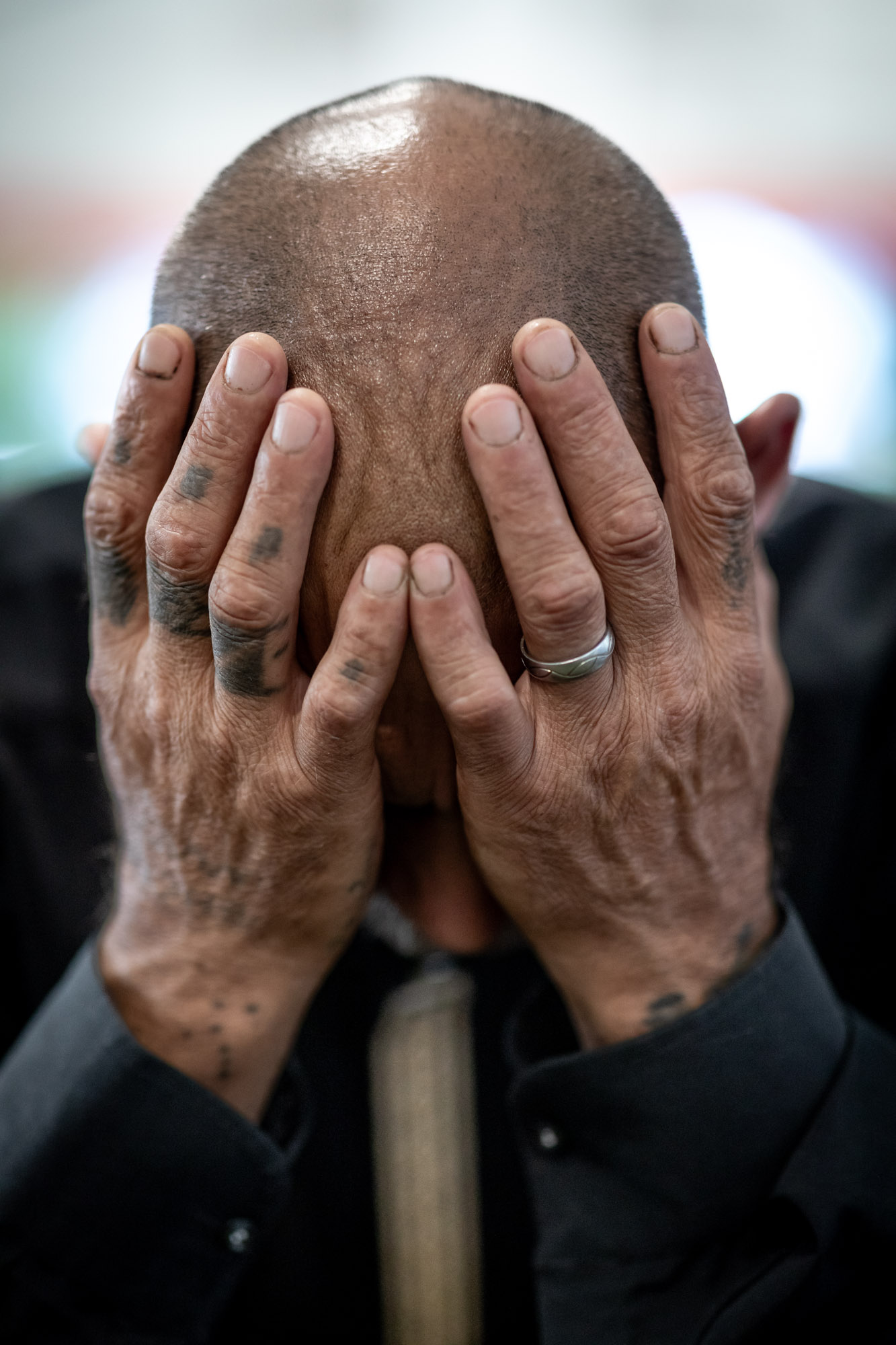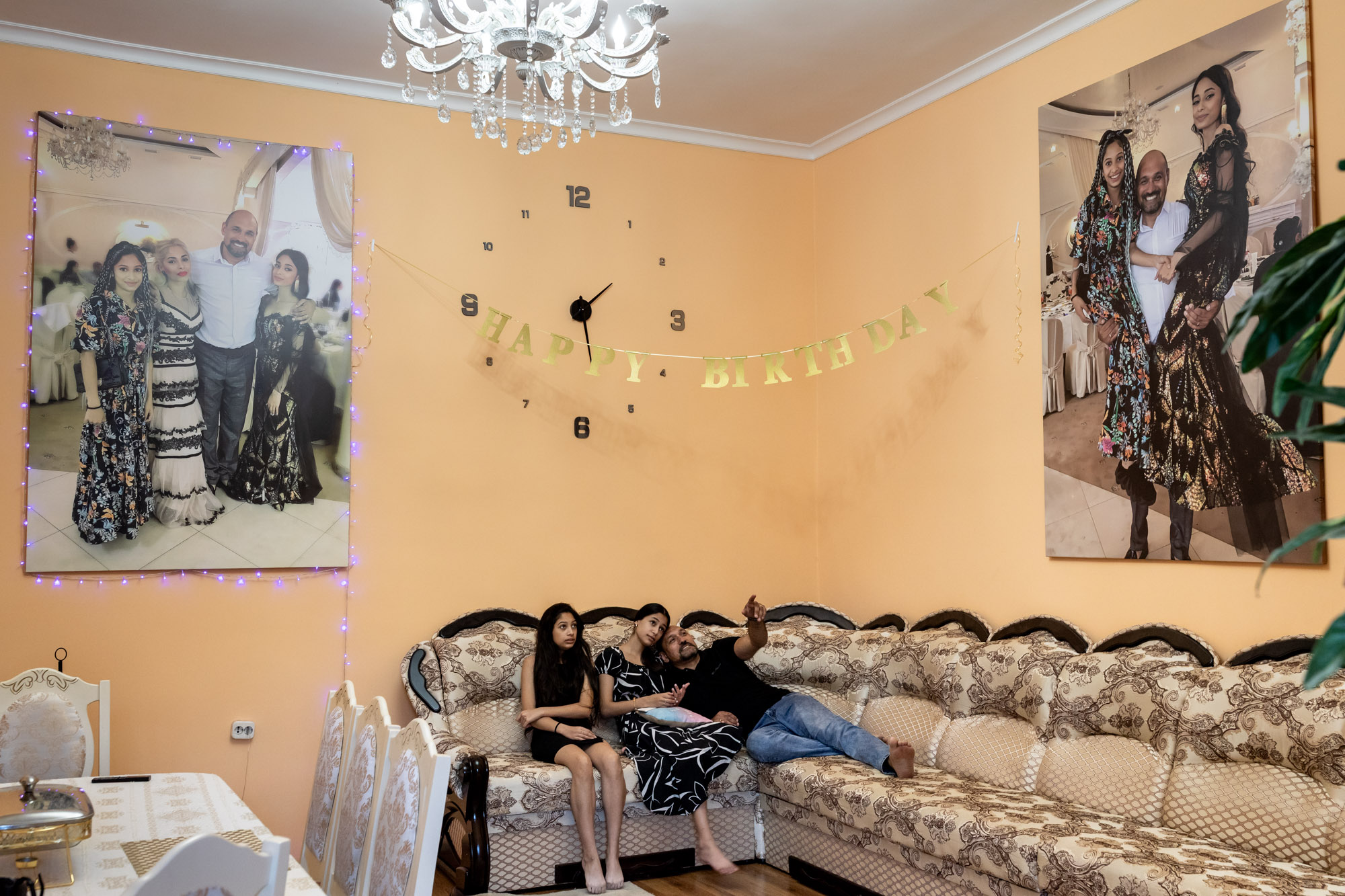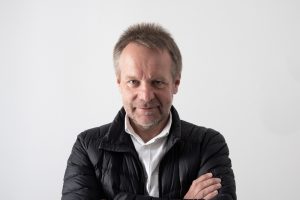
2023. Ukraine. Roma activists
The story of Roma activists in Ukraine during the war with Russia is one of citizenship, responsibility and the struggle for visibility for a community that has faced exclusion for years. The Roma are one of the most marginalised minorities in Ukraine. Their actual number is difficult to determine: the official 2001 census put the figure at just under 50,000,
but non-governmental organisations and European institutions suggest that this number may be significantly underestimated. Many Roma lack documents; some do not declare their ethnicity for fear of discrimination, whilst others live outside the institutional system. The largest Roma communities are found in Zakarpattia, the Odessa region and Kharkiv.
Before Russia’s full-scale invasion, many Ukrainian Roma lived in poverty, in settlements with limited access to water, education, stable employment and public services. According to data from the EU Agency for Fundamental Rights cited in the text, one in three Roma children lived in a household where someone had gone to bed hungry at least once, and half of Roma aged 6–24 were not attending school. The war has exacerbated these inequalities: some families fled abroad, some were internally displaced, and some remained in the most difficult conditions, often outside the mainstream of humanitarian aid.
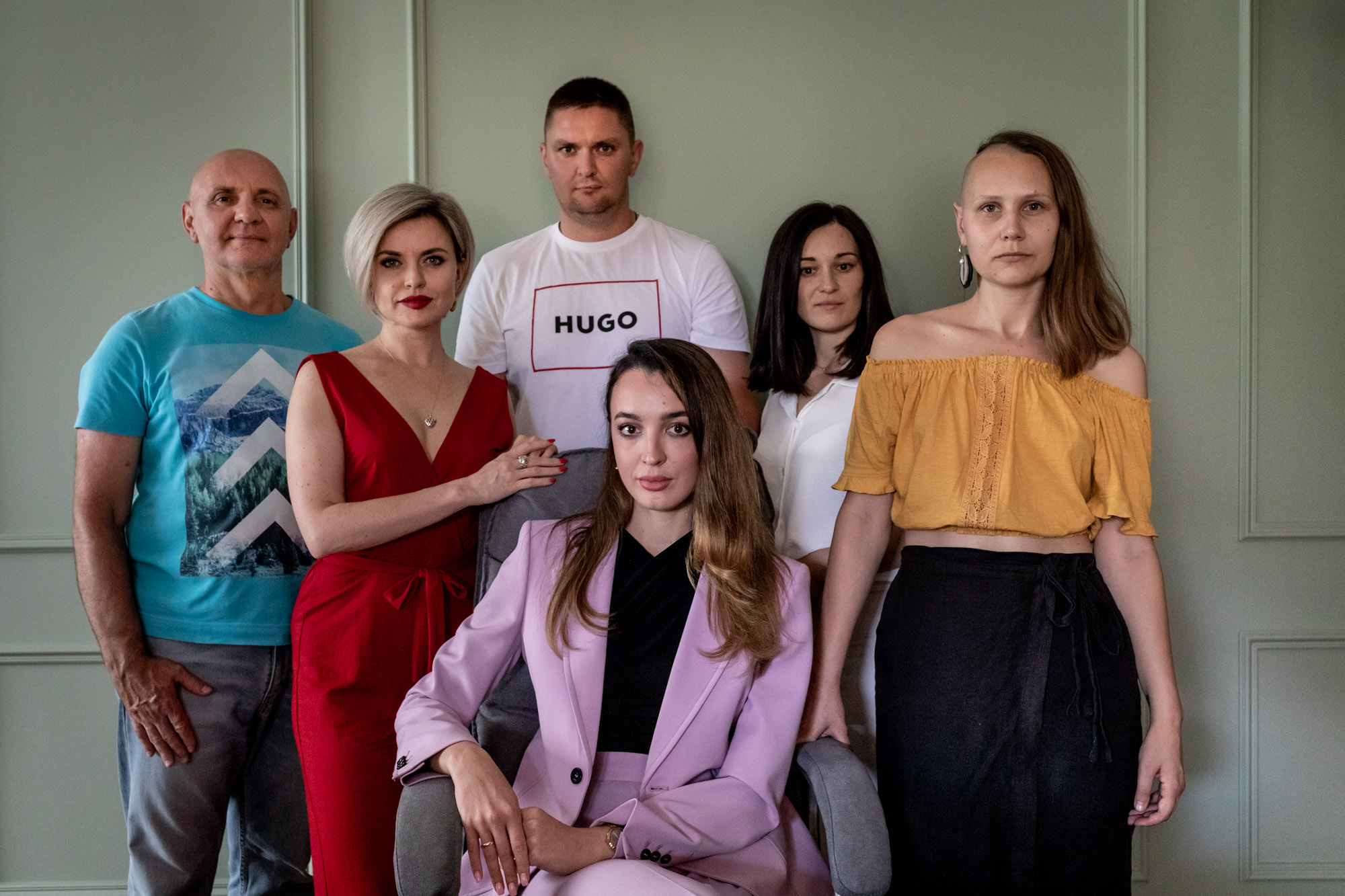
Anzhelika Bielova from Zaporizhzhia. She now lives in Uzhhorod with her husband and daughter
Activist and chair of the organisation ‘Voice of Romni’:
At first, I focused on my own experiences, namely the inequalities in access to education for girls and boys within the Roma community, but also on the discrimination faced by Roma in society.
In 2019, I was stabbed outside my home by a psychopathic man who had already killed several other women. After returning from hospital,
I decided to dedicate myself to working with women and for women.
I founded “Voice of Romni”. I wanted women, especially Roma women, to feel independent and safe. As a child, I witnessed domestic violence. My mum didn’t have the strength to say ‘enough’ and divorce my dad. For many Roma women living in a patriarchal culture, divorce is a source of shame. Women need to understand that their mental and physical health, and that of their children, is a priority. We raised awareness among women about what economic independence means, organised vocational courses for them and helped them enter the labour market. We also began providing sex education for children so that they would know their rights and the boundaries others are not allowed to cross.
That was the situation until 24 February 2022.
Due to the constant bombardment of Zaporizhzhia and the proximity of the front line, my husband and I decided that I would leave Ukraine with our daughter. After a few days, we arrived in Budapest. Here, with the help of friends, I found a flat and a job at the Europa Roma Right Centre. After a few months, I returned to Ukraine. Now our whole family, including my 85-year-old grandmother, is in Uzhhorod. Here, together with my colleagues, we have expanded our existing activities to include humanitarian work. We cover six regions of Ukraine. My role model is my grandmother, who became an engineer in the 1950s and is well known throughout Zaporizhzhia. She is a strong woman,
a Romani woman.
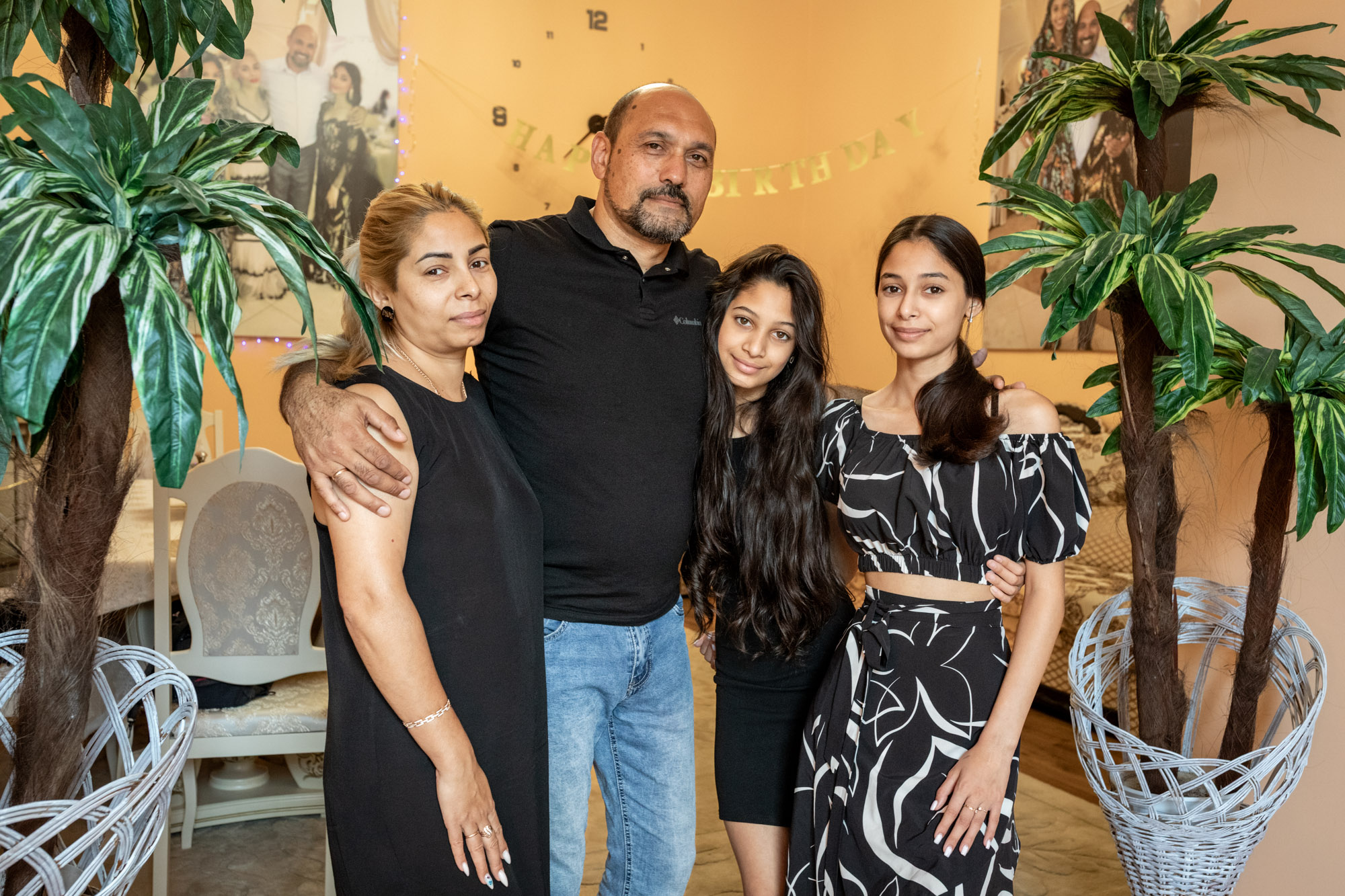
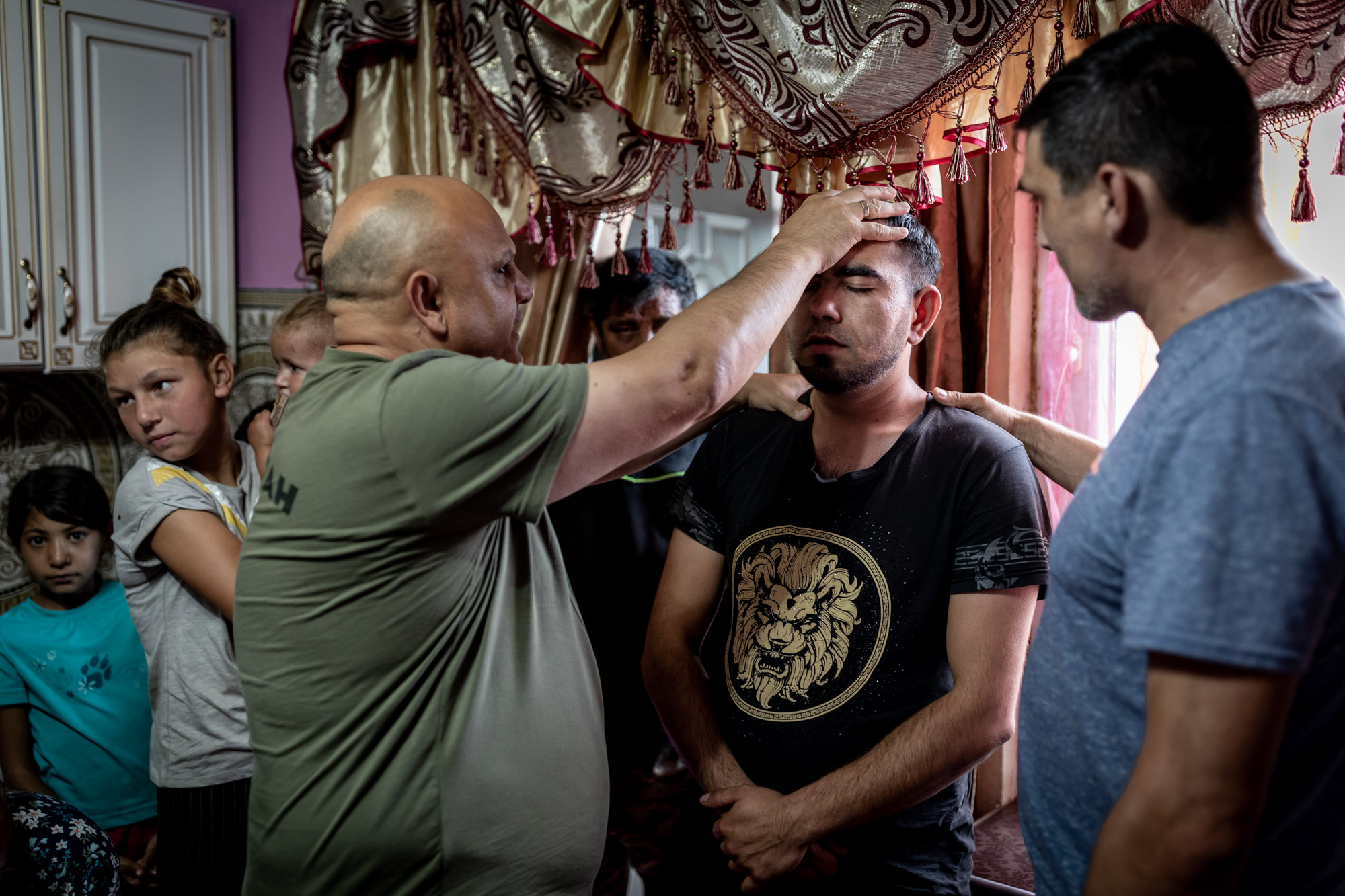
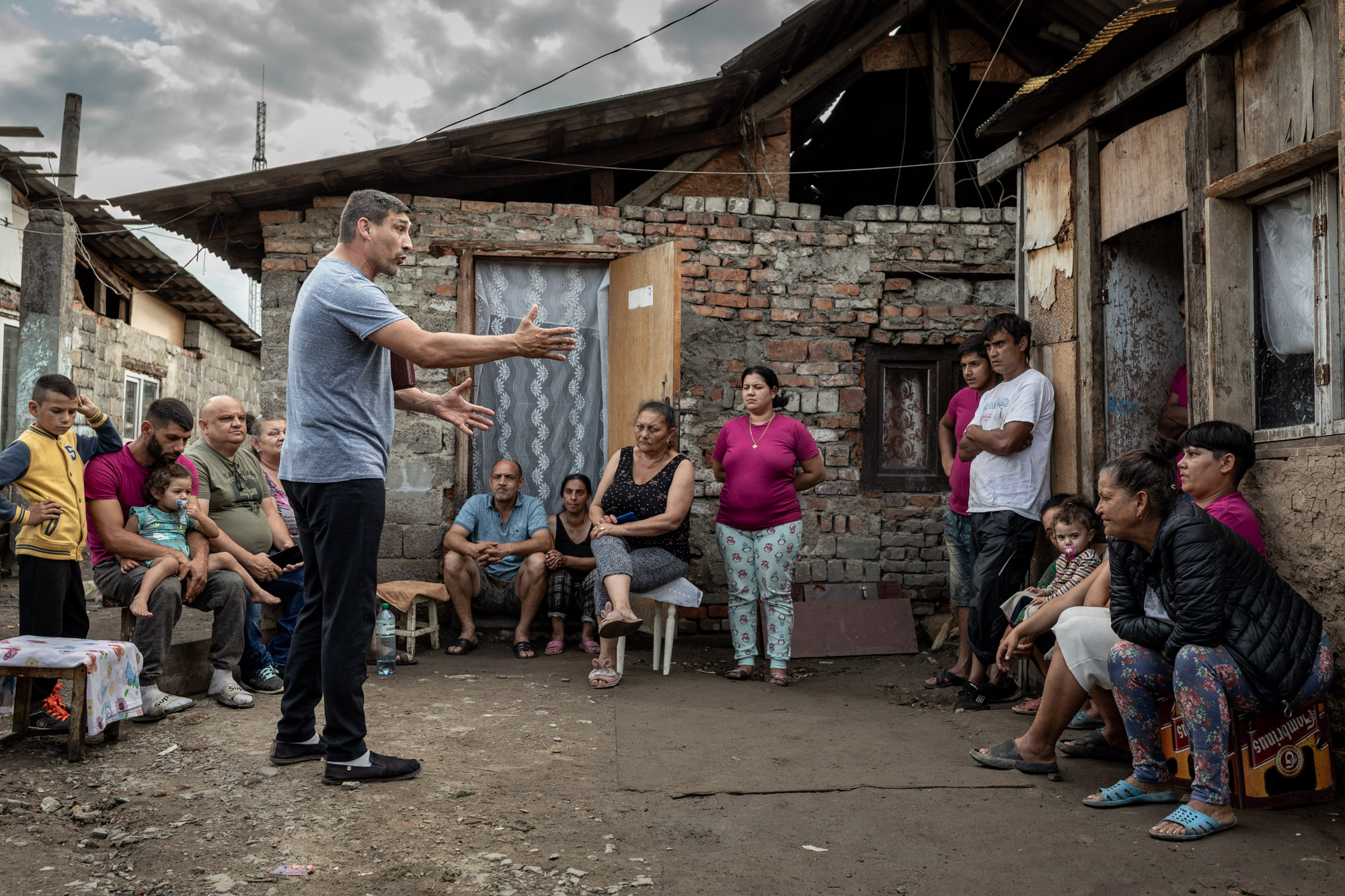
Nikolai Borucki from Kharkiv, pastor of the Holy Trinity Church
and chairman of the organisation ‘Czeczemo’
He currently lives in Uzhhorod with his wife and two daughters:
Discrimination is in people’s minds. In Ukraine, before the Revolution of Dignity in 2014, it was a brutal and fairly widespread phenomenon. Pogroms and murders of Roma people took place in many of our cities. Now, in these difficult times of war, it is showing its new face once again. Women, female refugees and Roma women experience it in a particular way.
On the other hand, I see changes in attitudes towards our community. Roma men are defending Ukraine as soldiers, volunteers are travelling to the front line with humanitarian aid, and activists are helping refugees and local communities.
I believe that society’s attitude towards the Roma community is a testament to the quality of democracy in the country.
There are 12 Roma groups living in Ukraine, each speaking a different dialect of Romani and practising a different religion. Integration into Ukrainian society also varies. It depends on education and place of residence. Romanipen is not the foundation of Roma identity for everyone. According to the 2001 census, there are 47,600 of us. In reality, these figures are underestimated by nearly tenfold. This is due to respondents’ reluctance to admit to their Romani identity, a lack of documents, and the underreporting of statistical data at the start of the government programme for the Romani community. Because the fewer Roma there are, the smaller the budget needed to implement such a programme. According to my estimates, following the outbreak of war in 2022, around 100,000 Roma left Ukraine, about half of whom were from Zakarpattia.
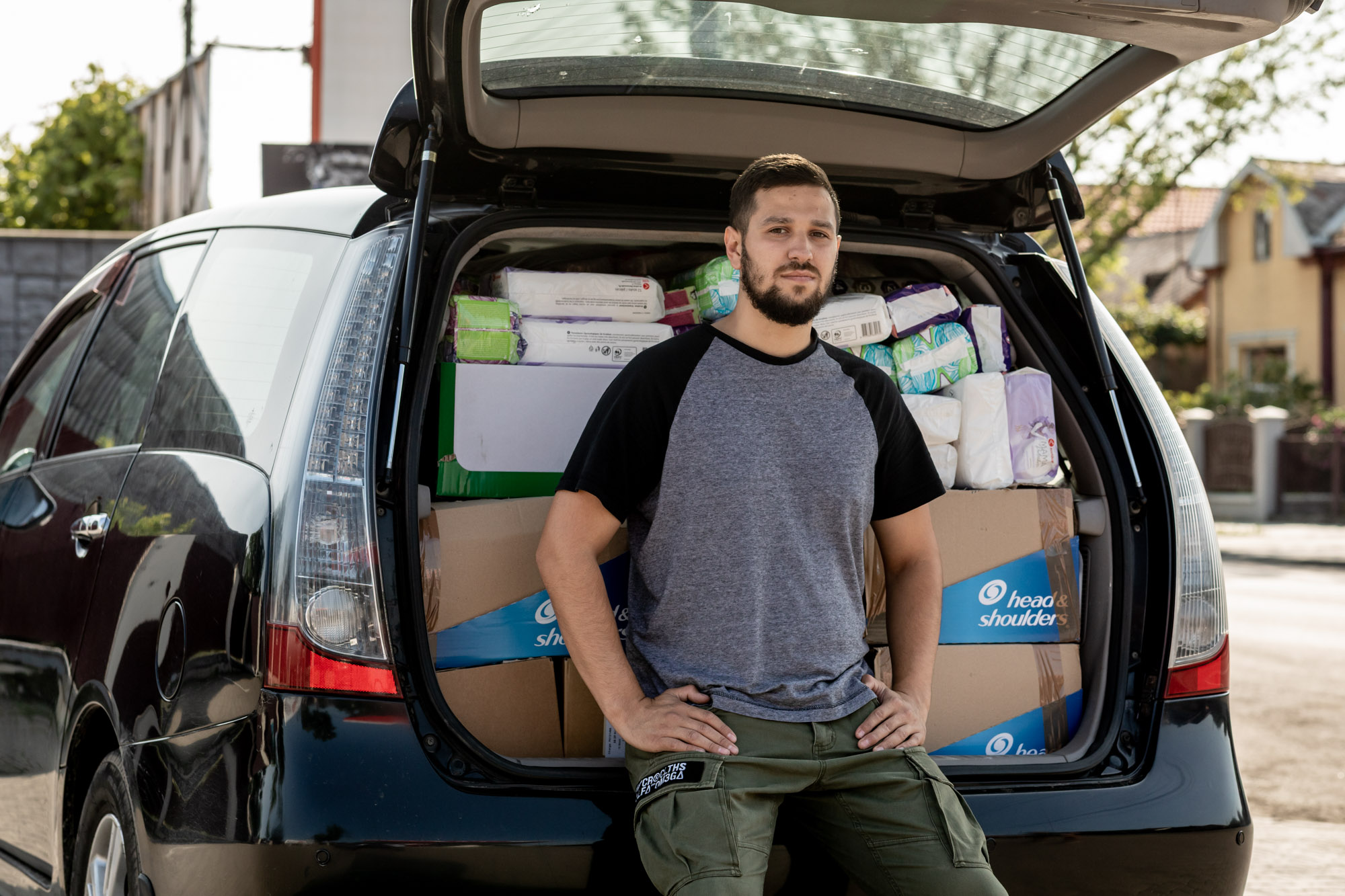
Daniil Chaptulin from Kharkiv. Driver, pastor’s assistant, volunteer
On 24 February 2022, I started work at 4 a.m. I heard strange booms, went out onto the street and realised they were bomb explosions. I didn’t know what to do. I rang my brother, who lives in Volchansk, about 70 km from Kharkiv and 7 km from the Russian border. He told me to come to him and, while I was at it, to pick up his daughter from Kharkiv. Volchansk is our hometown. There was a rocket launcher outside my brother’s house. I realised that if it started firing, the Russians would strike in our direction. I had already seen war up close in 2013 and 2014. I knew there was no point in staying at home; I had to flee, so I went with some friends to Uzhhorod. My grandparents and my brother and his family stayed behind in Volchansk. Not a day goes by there without shelling or bombing.
Together with Mykola, our pastor, we put together a group of volunteers from Uzhhorod and set off eastwards to help. We’ve organised eight trips so far.
When you’re driving, a bomb could fall or a sniper could fire at any moment. We’ve been in situations like that. We reach places near the front line, but not everyone is allowed in. So there is fear.
I remember how, in winter, just after the liberation, we arrived in Lyman, handing out food, hygiene products and warm clothes, and a woman approached us and asked for a torch. The day before, her husband had gone to fetch water and was killed by a falling rocket. She said she couldn’t live in the dark now.
A few months later, halfway to Kherson, our car broke down, which set us back a day. And on that very day, when according to the plan we were supposed to be in Kherson in the square by the supermarket, four artillery shells landed there. The next day, it was calm again. But as soon as we drove off, local activists rang us and said the shelling had started again.
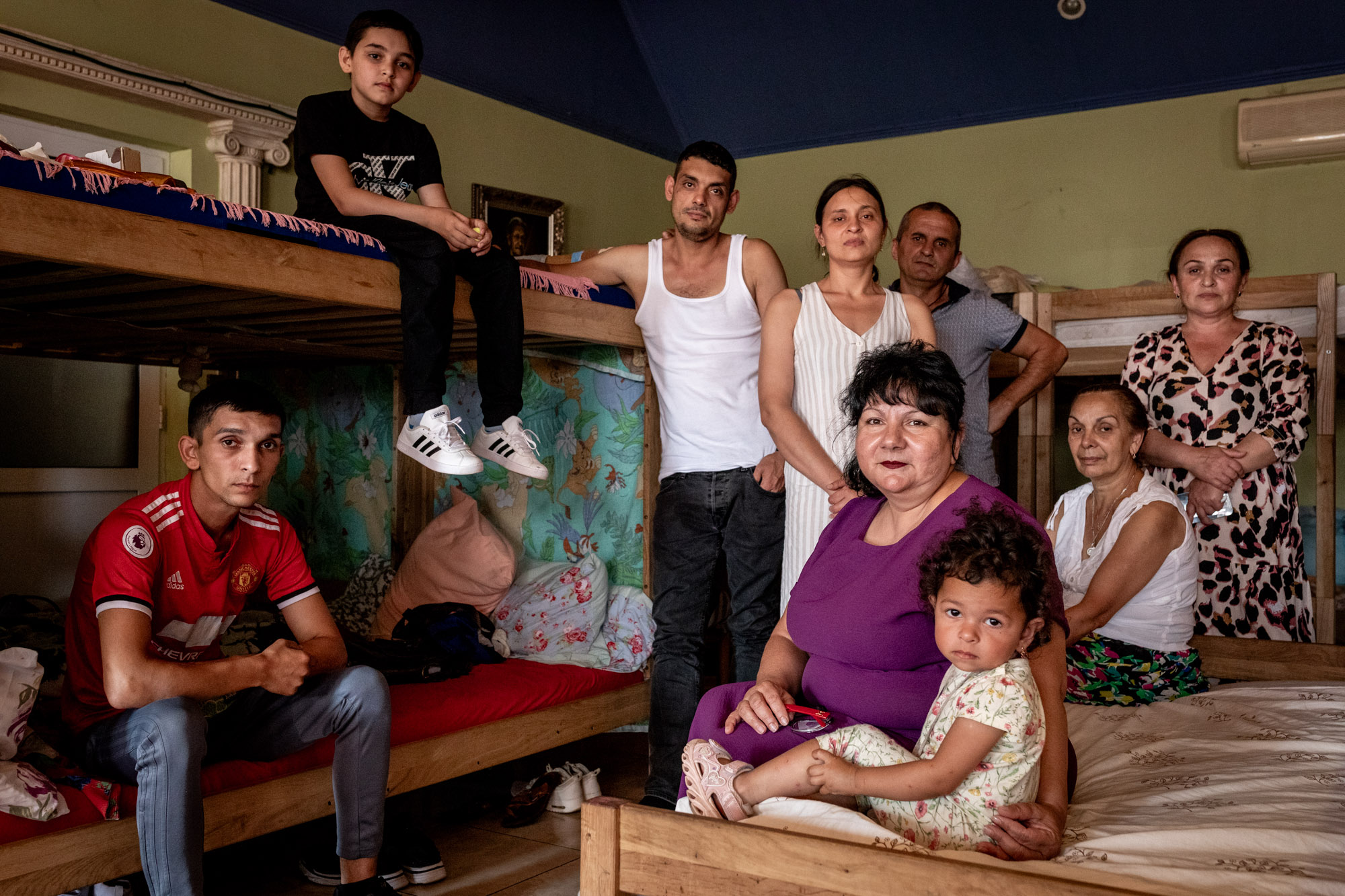
Eleonora Kuczar from Uzhhorod, director of the ‘Blago’ Charitable Foundation
Before the war, we provided humanitarian aid throughout Transcarpathia. At our centre, we taught children from poor Roma families so that they could continue their education in Ukrainian schools. We also had a programme for parents, who learnt to read and write alongside their children. For many of them, this was their first experience of working and learning together with their children.
We educate Roma children in the hope that future generations will be better off. Let’s just give them a chance; perhaps one of them will become a teacher, a doctor or an engineer. When we started, many parents didn’t understand why their children should be educated. Every day we went from house to house to explain why it is important to send children to school. That this is about their future, about a better life. Without an education, poverty and unemployment await them, rummaging through rubbish bins or sweeping the streets.
The problem with education affects the whole of Ukraine, particularly rural areas and closed Roma settlements – tabors. It is only better in the big cities.
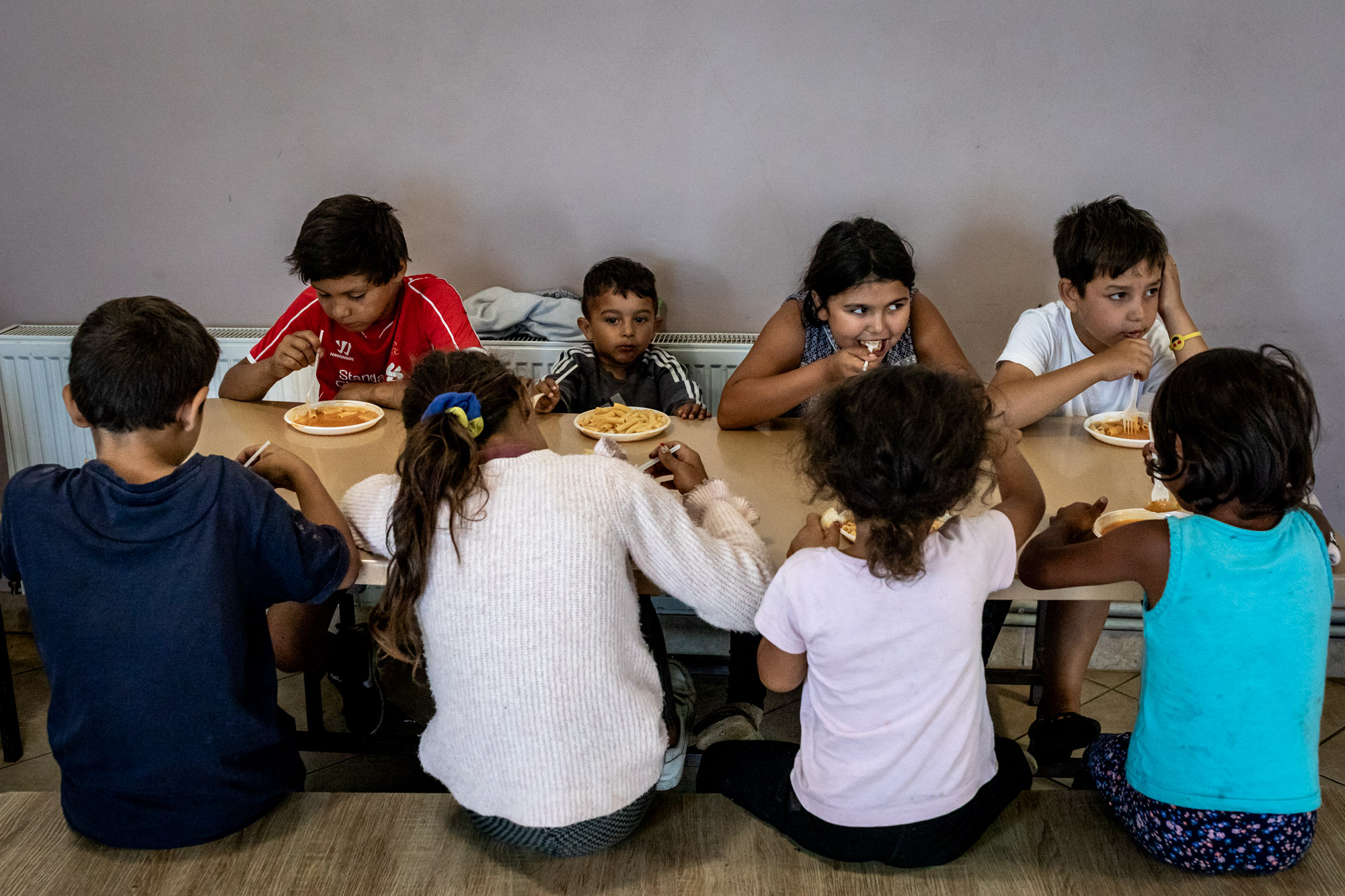
24 February was a difficult day for us. We didn’t know what to do; we were scared, we were crying, and we closed our school immediately. I went to the railway station in Uzhhorod and there I saw many Roma families with children whom nobody wanted to help. They didn’t know what to do with themselves; they were just hanging around. I realised I had to act. We laid out mattresses at the school. We took in 50 people straight away; we didn’t have enough space to help everyone. On 1 March, we rented an additional room for another 150 people.
To date, we have provided 2,500 people with shelter, food, psychological and legal support. It was the first centre for Roma refugees in Ukraine. We could not have done this without the individuals and organisations that supported us financially. I am very grateful to them. Our centre is a temporary accommodation facility, but several families have been living here for 1.5 years now. They have nowhere else to go; their homes have been destroyed and they do not want to travel to Western Europe. They are waiting for the war to end so they can return to their homeland. Most Roma move on to Germany, Poland or Slovakia. Small groups return to their homes. The war is still ongoing and people are arriving here all the time.
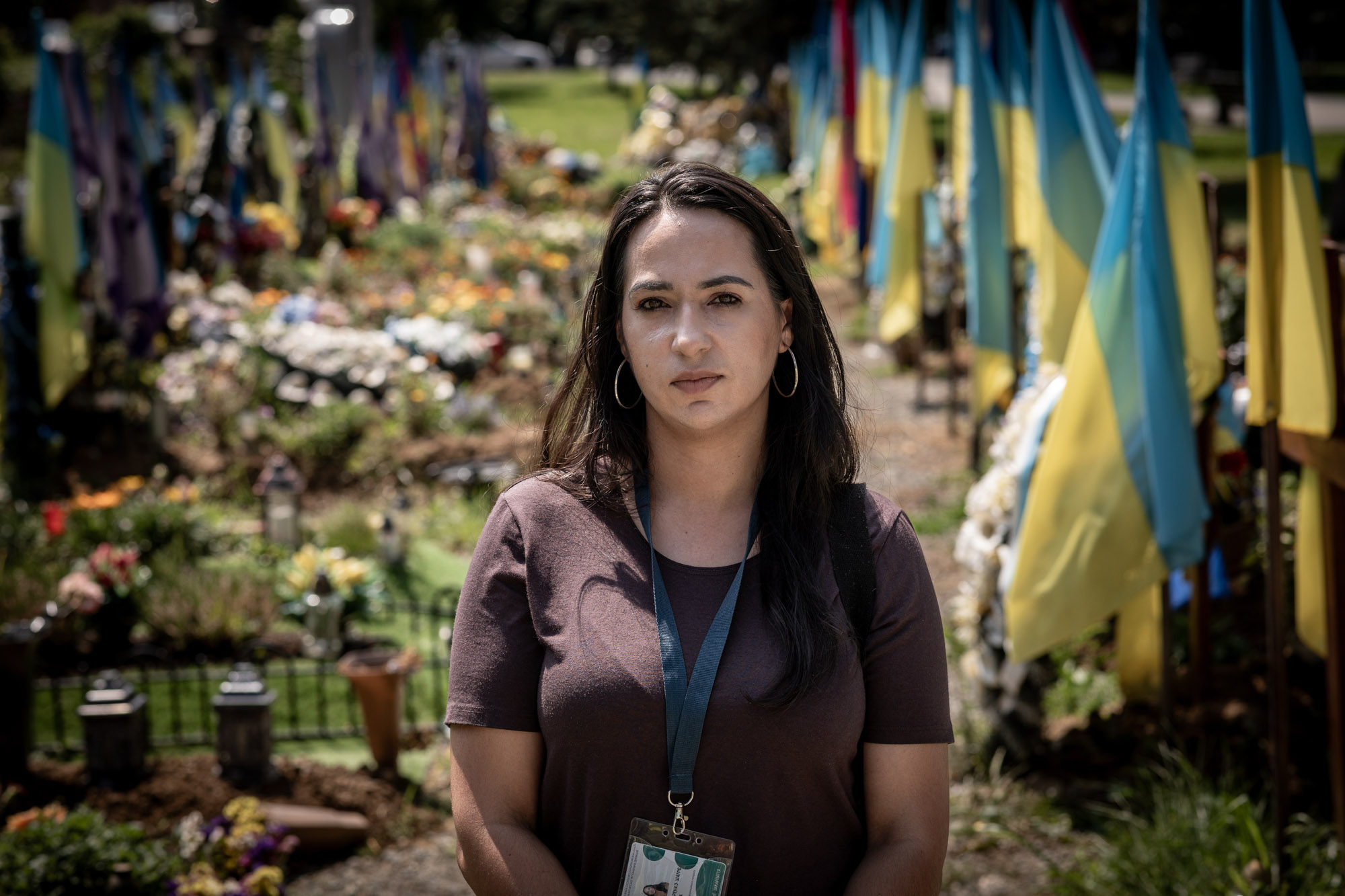
Simona Gorniak (Nastarenko) from Uzhhorod. A journalist and editor of the Romani-language television programme “Romano Jivipen”, broadcast on Suspilne Ukraine
The media is a powerful weapon that can break down stereotypes. On television, we showcase the traditions, rights and uniqueness of the Romani community. Viewers discover that Ukraine’s national communities do not turn a blind eye to our shared misfortune.
My mum is Russian and my dad is a Ukrainian Romani. My dad is proud of me when I appear on TV; he takes screenshots of the TV and posts them on social media.
In secondary school, when I wanted to sit my A-levels, the teachers discouraged me, claiming I would damage the school’s reputation. When I was at university, there were only two of us students of Roma origin.
On 24 February 2022, I woke up to get my daughter ready for school. My mum came into the room and, crying, said: ‘Don’t send her anywhere, the war has started.’
We didn’t know what to do. In the first few weeks, every time there was a bomb alert, we’d pack our documents and essentials into a suitcase and head to the shelter.
My work changed drastically; I started producing reports on refugees and those who had suffered because of the war. I went to Kherson for an extended period. As I recall, 23 civilians were killed during the heavy shelling of the city at that time. Upon my return, I needed psychological support.
On the front line, in the trenches, in the mud, our wounded soldiers were dying; it was impossible to carry them out because of the heavy Russian shelling. When things had calmed down a bit, we had to rescue them; unfortunately, one soldier’s leg was pinned down by some scrap metal, and his comrade had to break it to pull him out. Stories like that have stayed with me and the soldiers for a long time. They, just like me, need qualified psychological support, which is in short supply here.
My daughter is nine years old; she started crying whilst sitting in front of the TV. That was when it was revealed what the Russians had done in Bucha and Irpin. She asked me, ‘If they come here, will they do the same to us?’
I don’t know if any of this can be forgiven. I try all the time not to hate the Russians, but it’s very difficult. I’ve already buried so many friends.
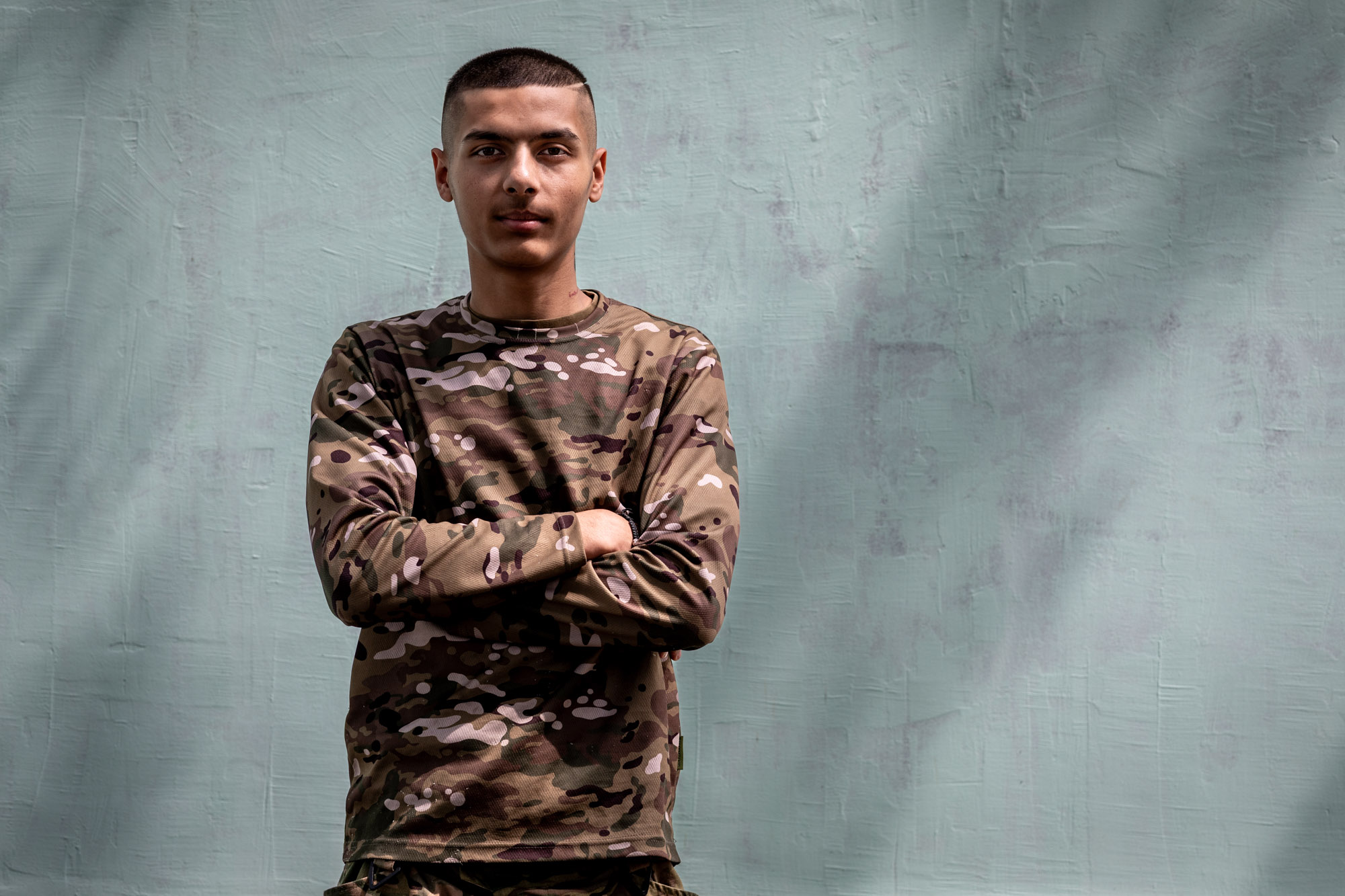
Viktor “Merlina” Ilczak from Mukachevo, a soldier in the Ukrainian Armed Forces
When I decided to defend Ukraine, my whole family was in tears. They said: “You’re only eighteen, you’ve got your whole life ahead of you, you could start a family of your own – don’t go! How are we going to manage without you?”
I told them that no one would stop me, that I was an adult, that it was my decision, and that I had to defend my homeland. I was just waiting to turn 18; the day after my birthday, I went to the State Border Guard to sign a contract. Unfortunately, they turned me away because I hadn’t undergone training or passed the tests. I didn’t give up; I went to the Military Commission, where I was told they couldn’t take me because I’d only just turned 18, and according to the law, you can only sign a contract once you’re 21. I asked if there was any way I could help, that I wanted to serve, and if they could offer me anything? They said I was too young, that I had my whole life ahead of me, and that when the time came, they would take me on. I replied that I couldn’t wait and sit idly at home.
They gave me a phone number for a man in Mukachevo, and he put me in touch with the Soneczko special unit. I arrived in Kyiv, and they asked me the same thing: how old are you? I answered, and again I was told I should stay at home. I told them then that young people can do more in the army than older ones; they’re faster and more agile. They accepted me.
I bought the necessary equipment at the ‘market’: a helmet, a bulletproof vest, night-vision goggles. I spent over 72,000 hryvnias on everything, which is about 1,800 euros.
I raised most of the money through an online fundraiser; otherwise, I wouldn’t have been able to buy all that. I got my weapon from the unit. In the battalion, we’re brothers. We eat, sleep, live and fight together. We’ll never abandon each other.
I remember my first battle. They drove us to the location, but soon the artillery fire began; I didn’t know what to do or where to go – I was terrified. I thought then that I couldn’t be afraid; I had to move forward – our people were there, and they needed help. All hell broke loose; a Russian drone was flying overhead, and we had nowhere to hide. Many of our men were wounded. But in the end, we managed to reach our positions.
No one should be ashamed of being Roma or of having a different nationality. We live in Ukraine and we are Ukrainians. I was born here and I will defend my homeland. I cannot stand by and watch defenceless people die, lying dead in the streets. I cannot cover my eyes and sit at home.
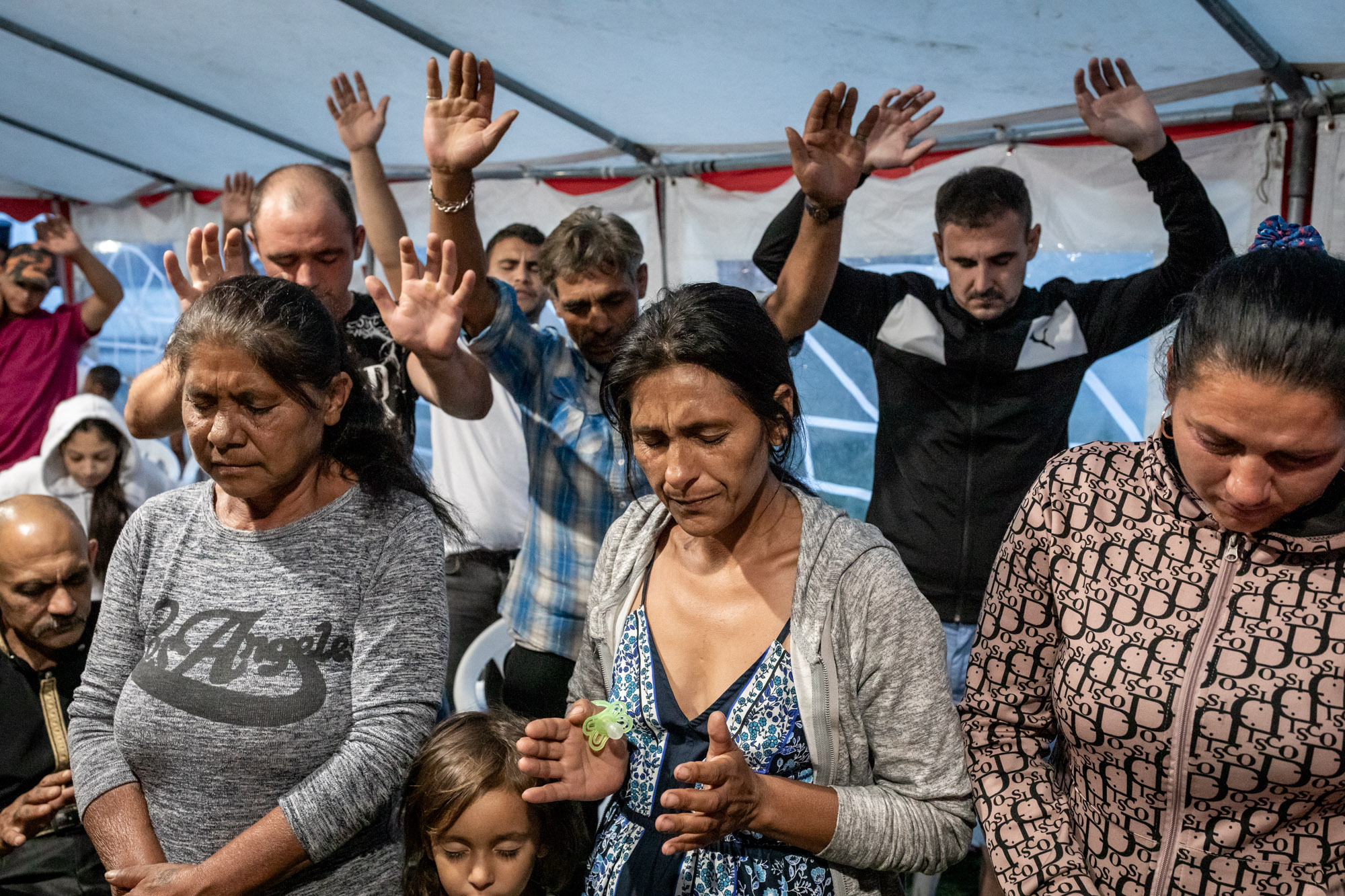
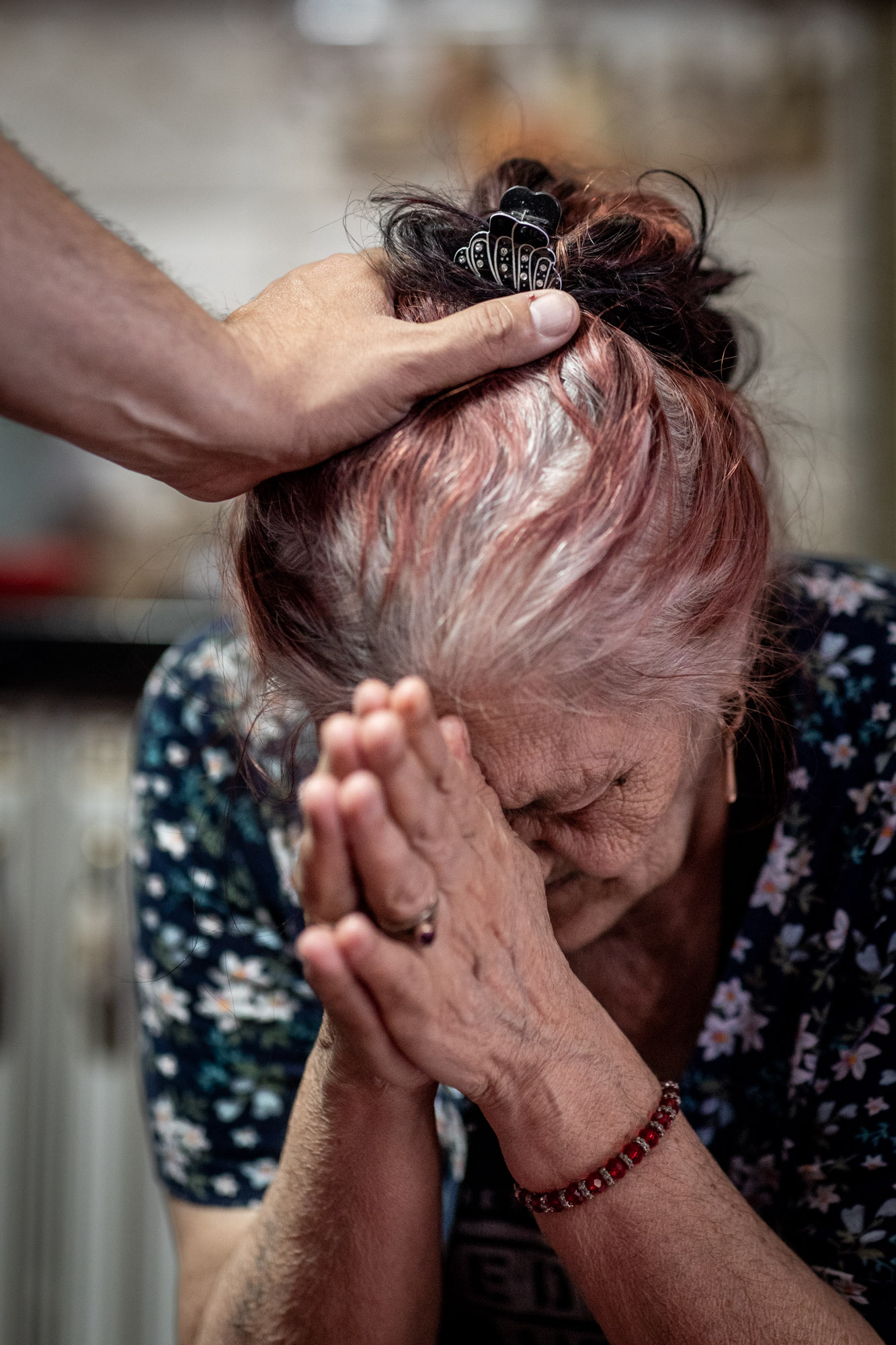
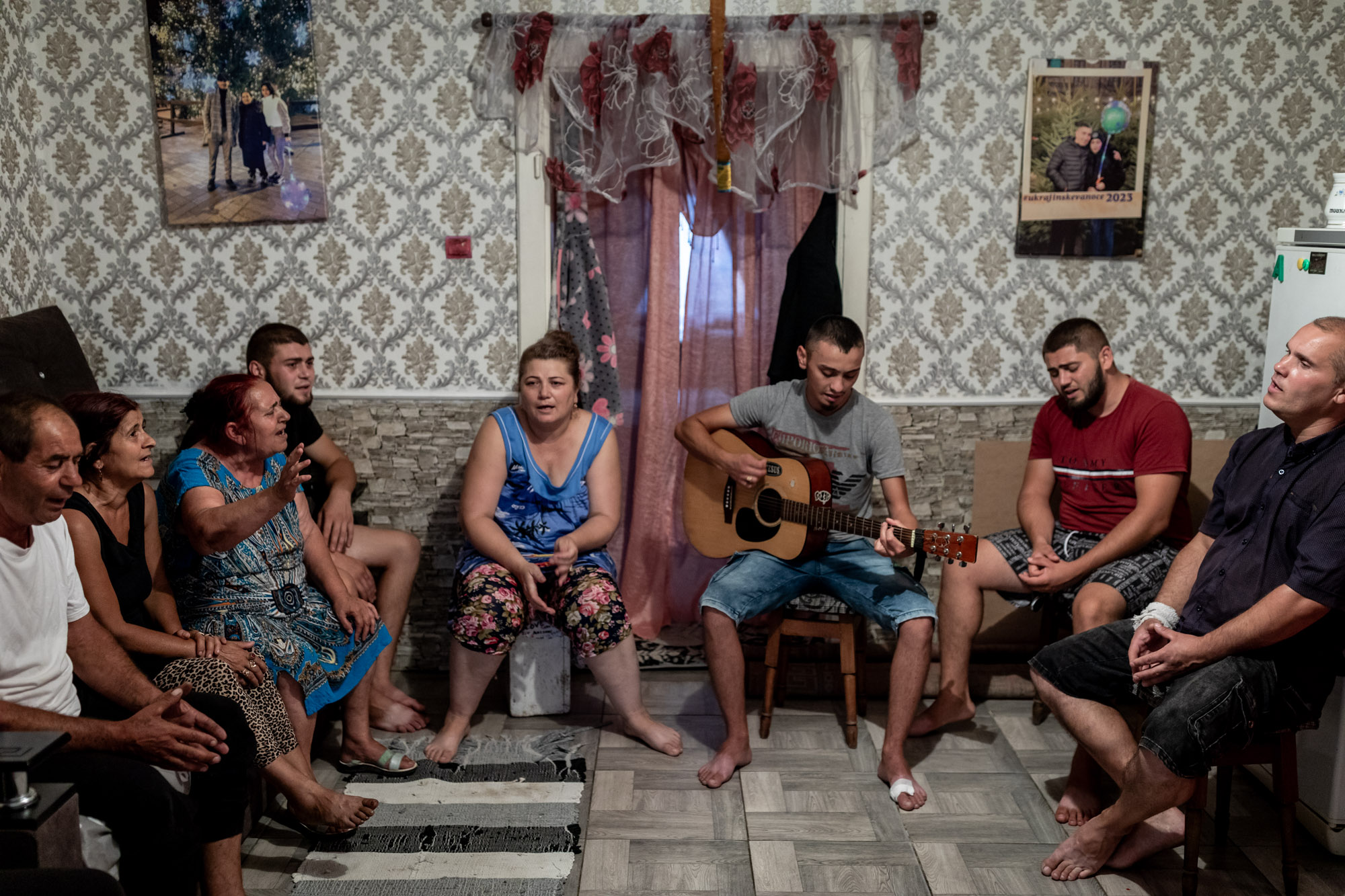
2023. Ukraine. Religion within the Roma community in Zakarpattia.