A wide range of exhibitions were presented to the public in Poland and Europe
exhibition
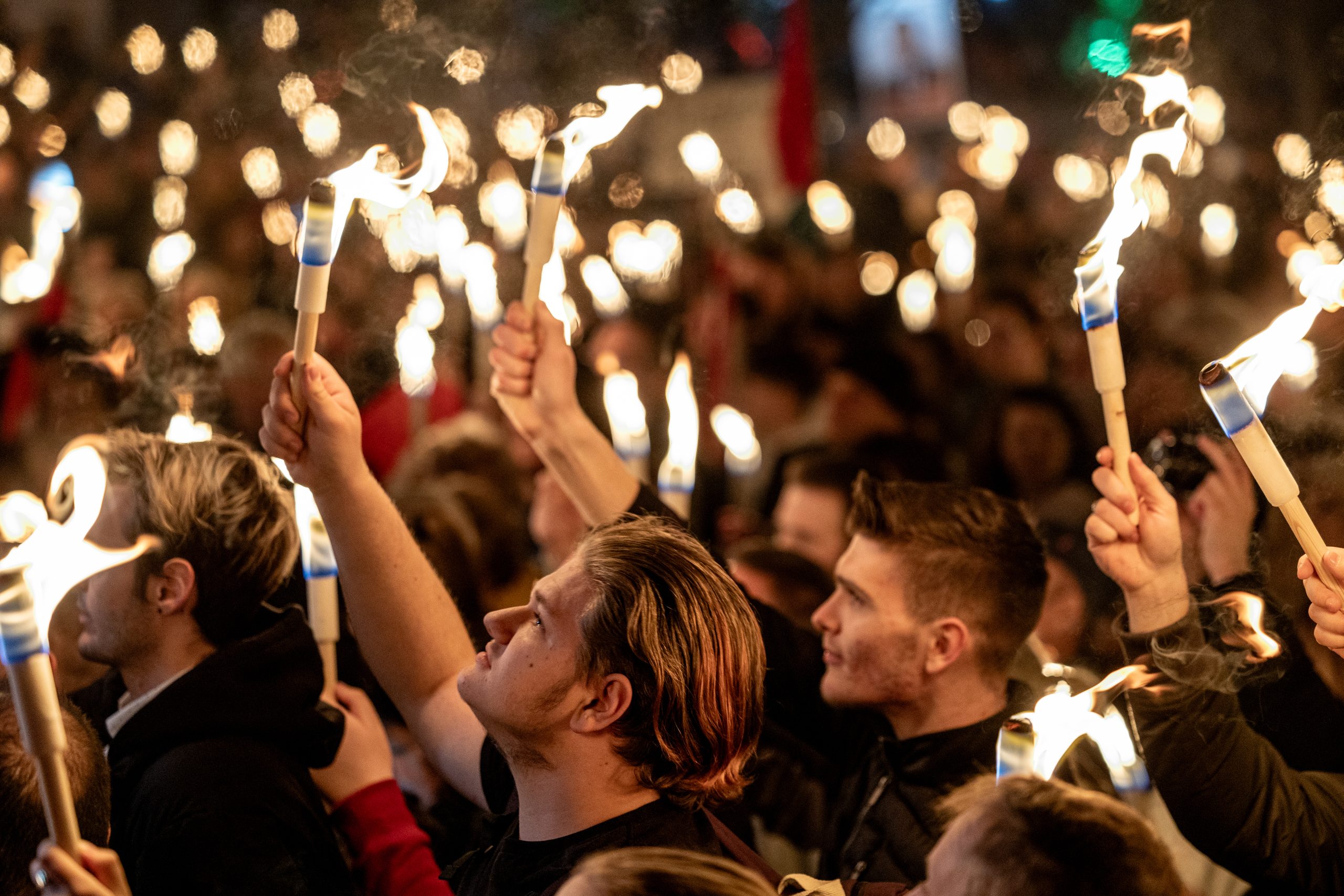
"A Voice has Power"
On 12th April 2026, Hungarian people elected a new parliament
The party of Péter Magyar, TISZA, won over 53% of the vote in the general election, well ahead of the Prime Minister’s FIDESZ party, Victor Orbán which secured just 38%. “Today, the Hungarian people have said yes to Europe” the winner declared on 13 April Sunday evening. After 16 years of Viktor Orbán’s FIDESZ government, the campaign was centered on the cost of living, the state of public services, relations with the EU and the war in Ukraine. Péter Magyar’s opposition party, TISZA, mobilised voters through mass rallies and a tour of the country.
2026, Warsaw
exhibition
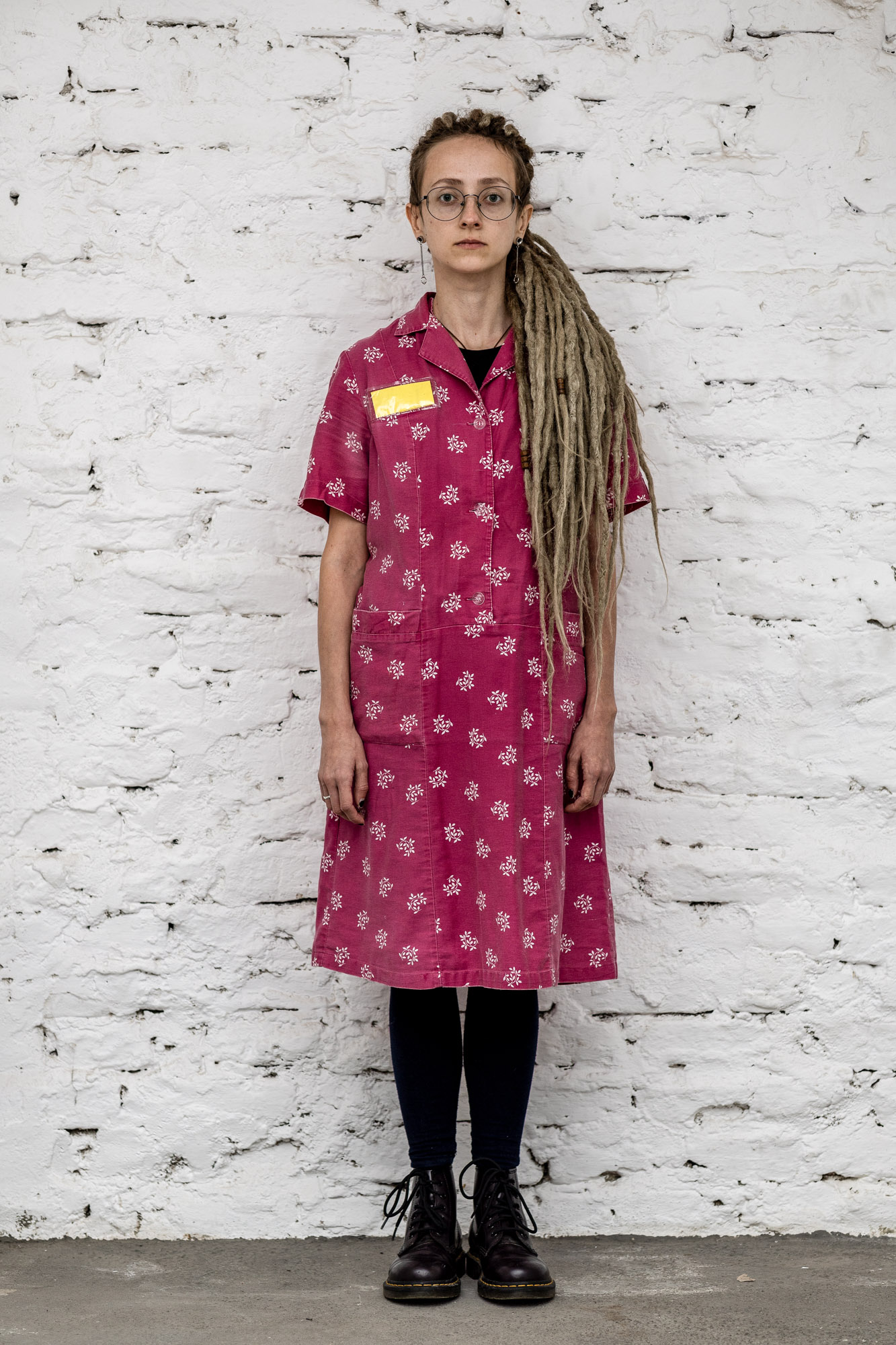
"To be Able to Fall Asleep Peacefully""Спаць спакойна" Belarusian political refugees in Poland
Belarusians make up the second largest group of foreigners residing in Poland- second only to Ukrainian citizens. The protagonists of the exhibition are people of varying ages and social status. The common experiences that link them include pro-democratic activism in Belarus, their escape from persecution in their homeland, and their current stages of adjustment to their new realities. However, each of the protagonists has a different story, a different present, and a different hope for the future. The exhibition’s form, made up of a combination of reporter's photographs and the written stories of the protagonists, plays a documentary role.
2024, Warsaw, Białystok, Badów Górny, Wrocław
exhibition
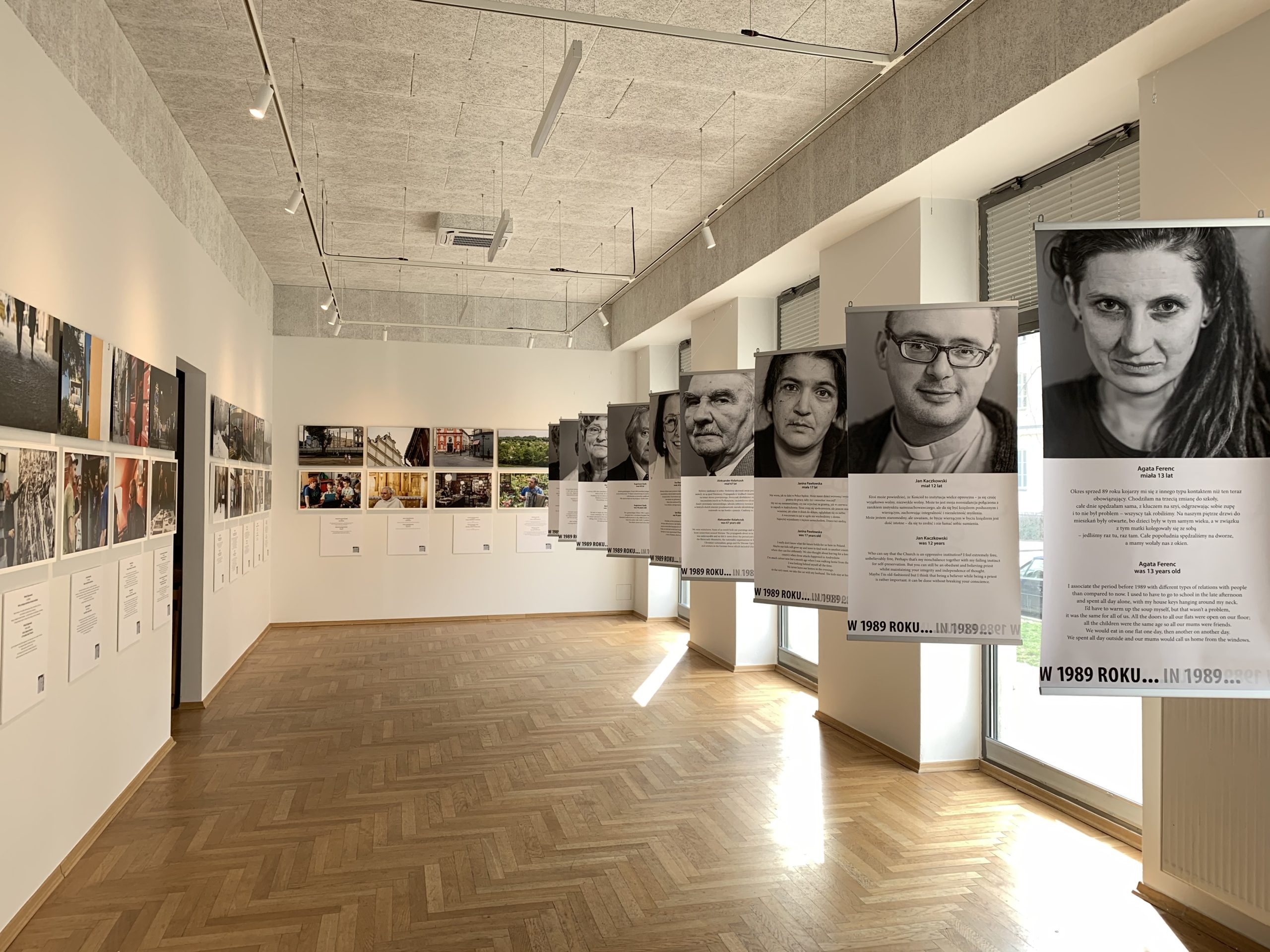
30 Years of Freedom. 100th anniversary of Poland regaining independence.
30/Freedom. Ever since Hegel, we have differentiated two types of freedom: “freedom from something” and “freedom to something”. The first is a lack of external duress while the second is the freedom to choose. In 1989 the idea of freedom meant above all “freedom from” the subjugation, hypocrisy and persecution of the communist system. After 1989, the word came to take on other meanings. This part of the exhibition references the personal experiences of our heroes focusing on “freedom to something”. What does freedom mean to people living in Poland here and now? 100/Poland. The family memories, individual destinies, and varied places in which all our heroes have lived come together in a mosaic that represents contemporary Poland: diverse, modern but with serious problems. The key to choosing our heroes was by taking the most popular Polish surnames. The landscapes, portraits and statements from our heroes, which are often very fragmentary, demonstrate what we often do not notice every day.
202O, Warsaw, Kielce, Lódz