2021.The crisis on the Polish-Belarusian border
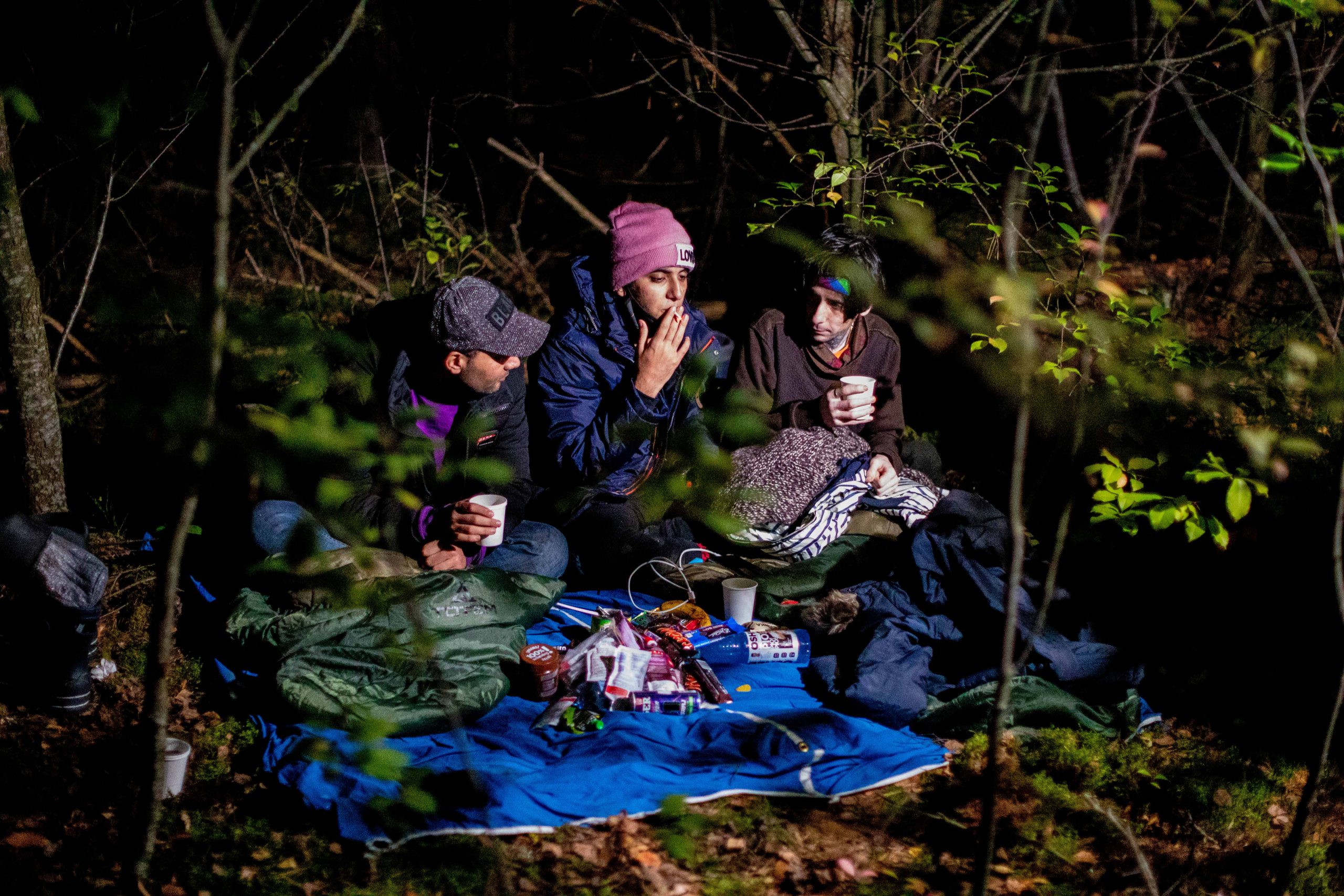
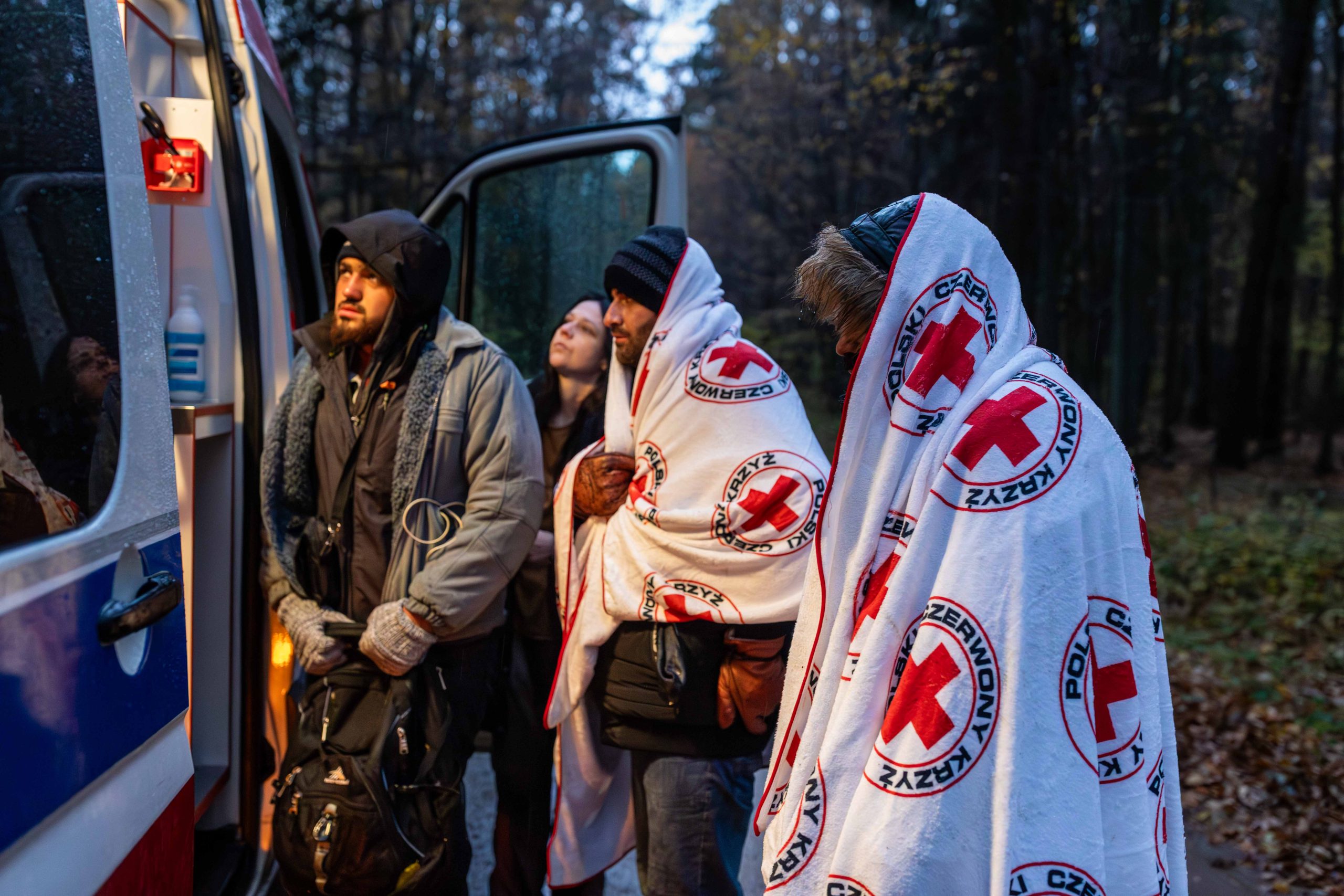
The crisis on the Polish-Belarusian border in 2021 has been escalating since the summer, when the Belarusian authorities began bringing migrants and refugees (including from Iraq, Syria, Afghanistan), and then directing them to the border area to force illegal border crossings and exert political pressure on the EU and its member states. The EU linked the escalation of this pressure to the sanctions previously imposed on Lukashenko’s regime after the rigged elections of 2020 and the repression, and after the forced landing on 23 May 2021 of a Ryanair flight in Minsk to detain opposition activist and journalist Raman Pratasevich.
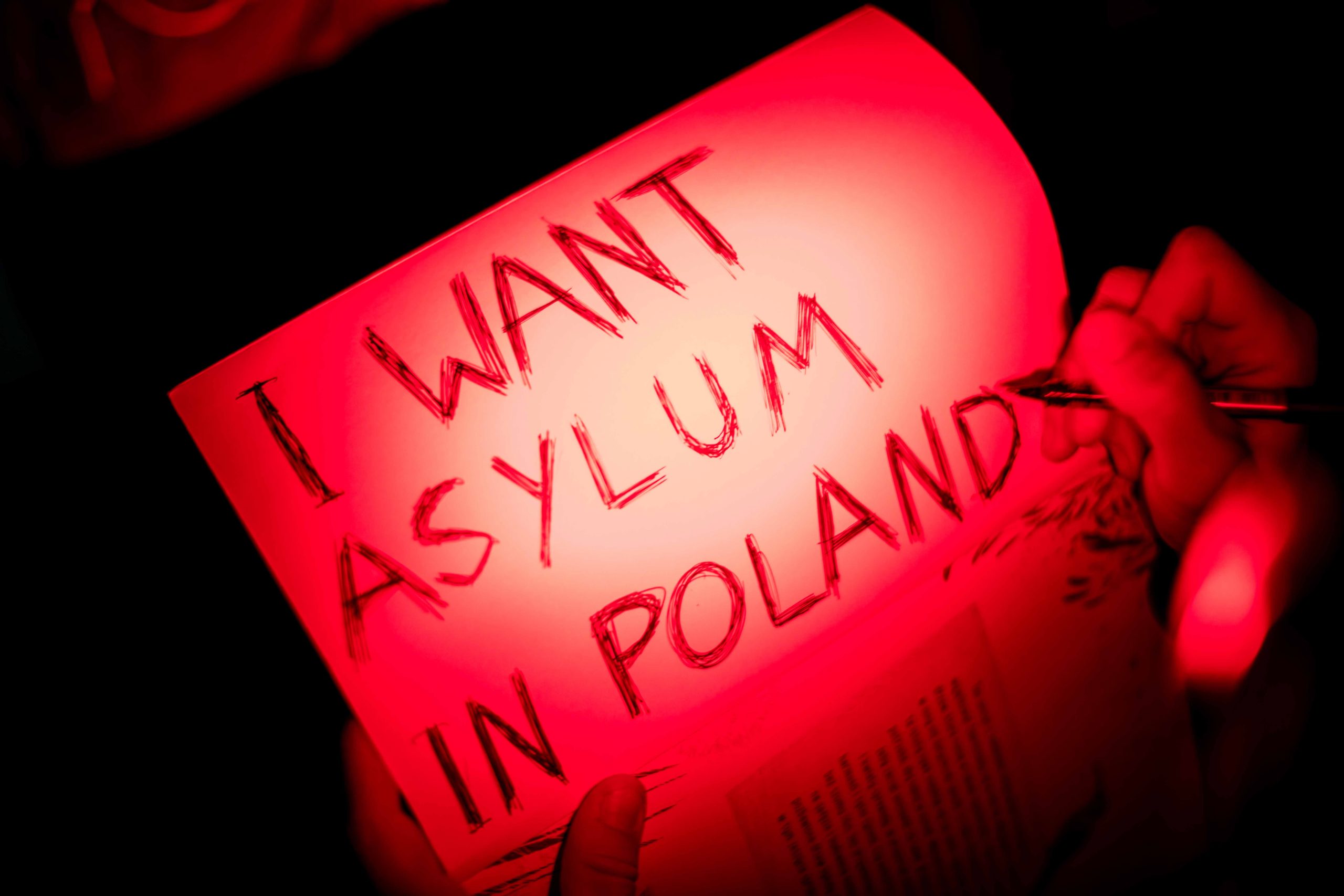
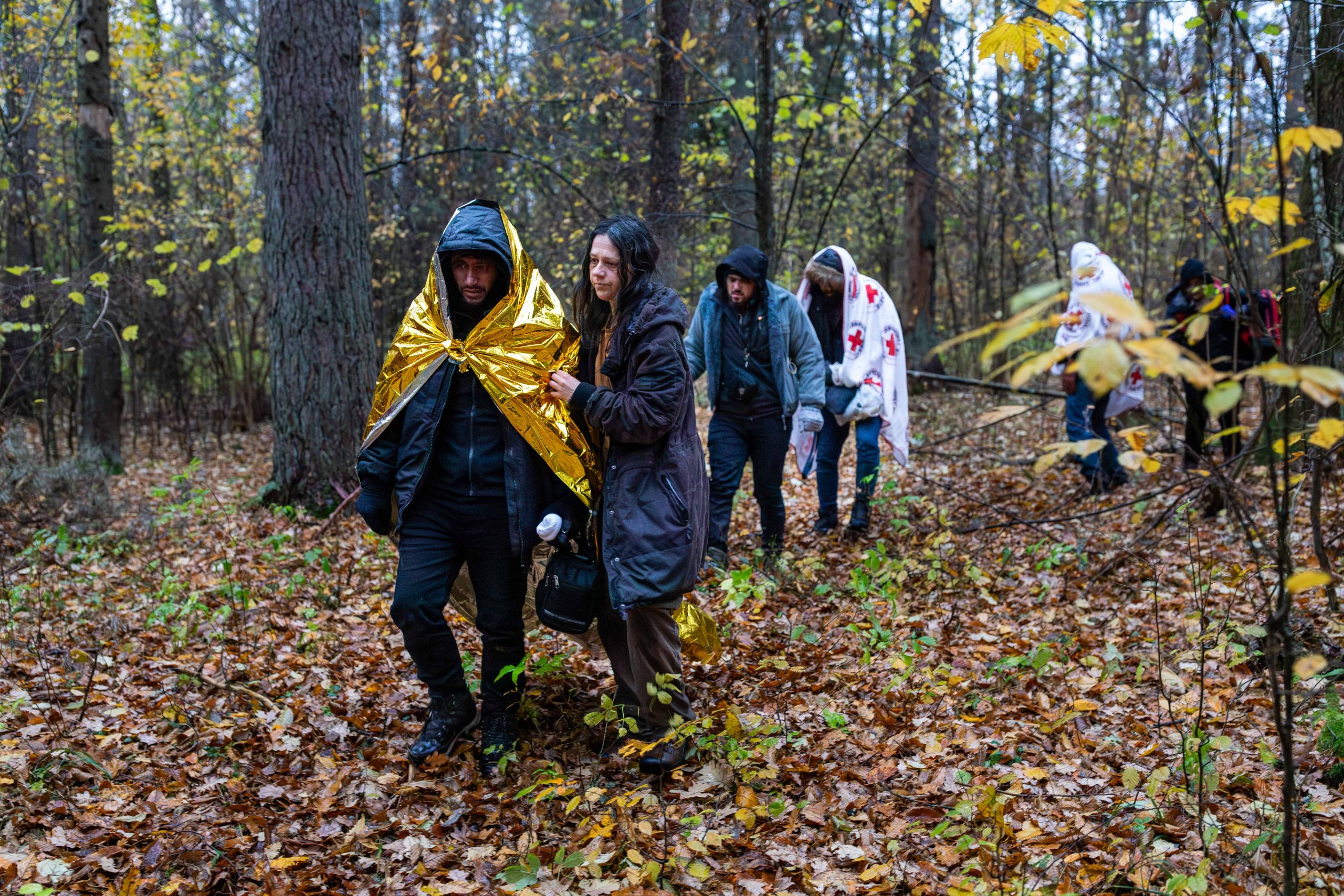
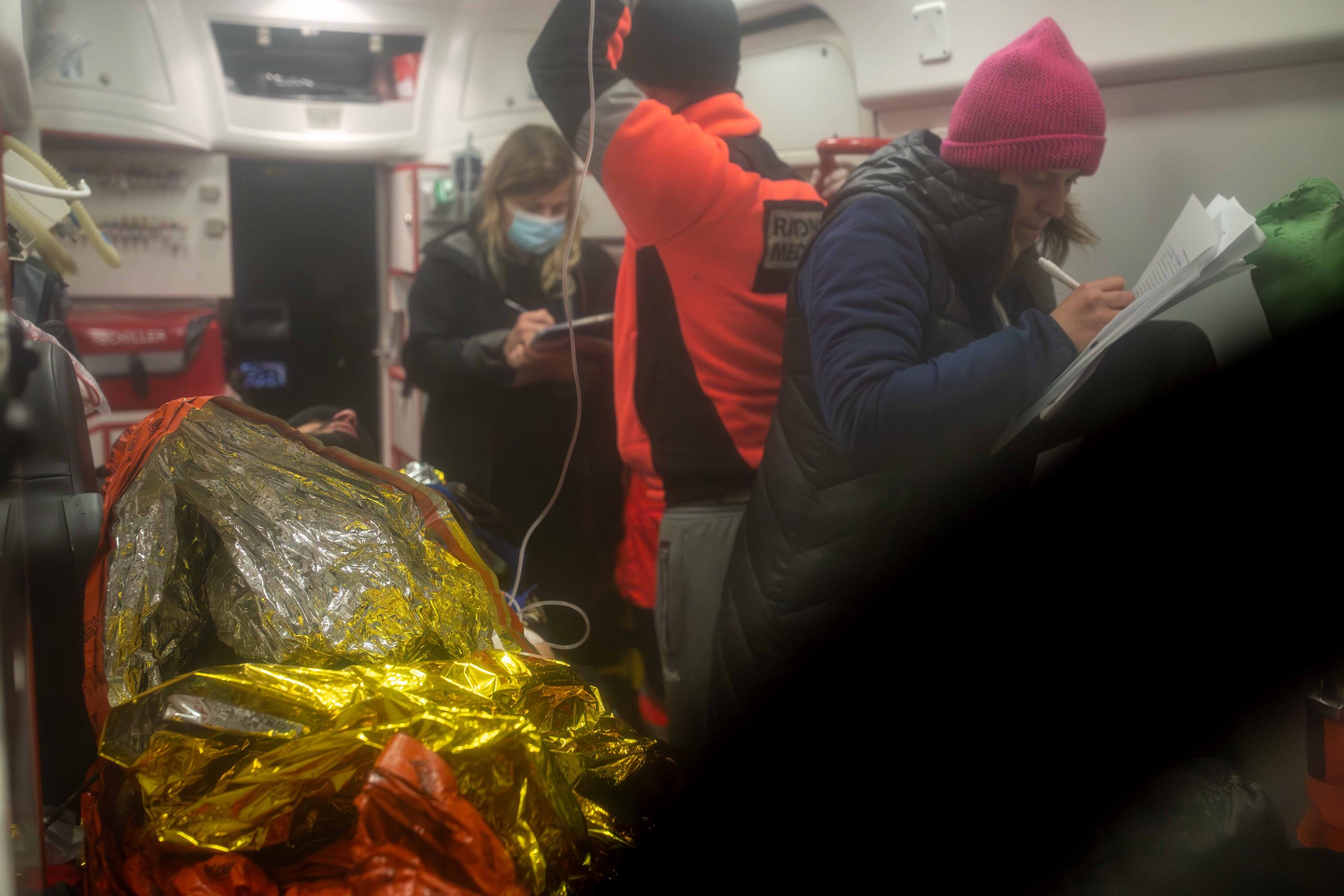
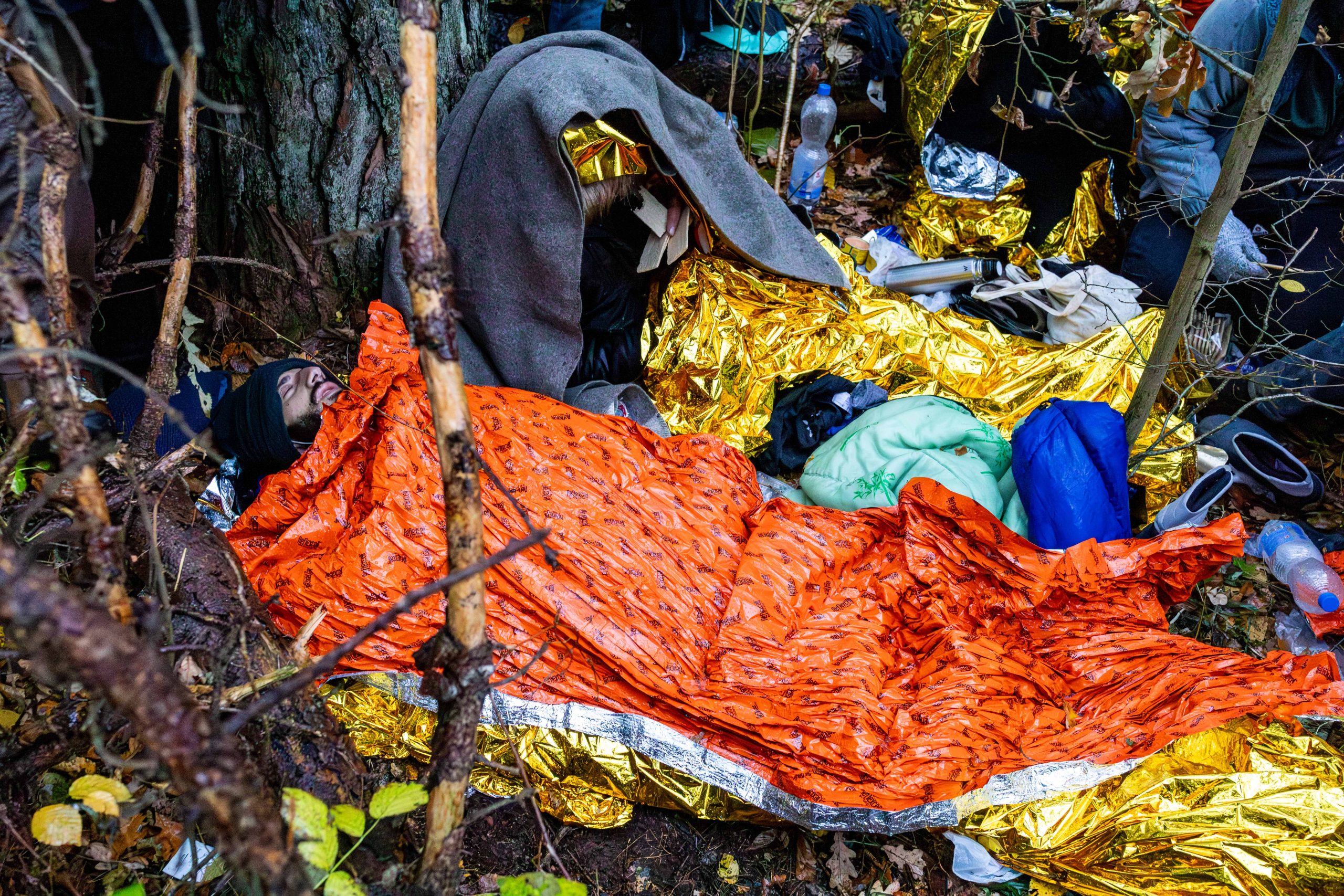
Poland responded by militarising the border area and declaring a state of emergency (from 2 September 2021) and restricting access for the media and aid organisations. Pushbacks became the core of the dispute: people detained on the Polish side were taken to the border area and pushed back to Belarus, often despite their declarations of intent to seek international protection. Human rights organisations’ reports also described cases of often unjustified violence and ill-treatment by the services, as well as the consequences of pushing people into the forest without assistance.
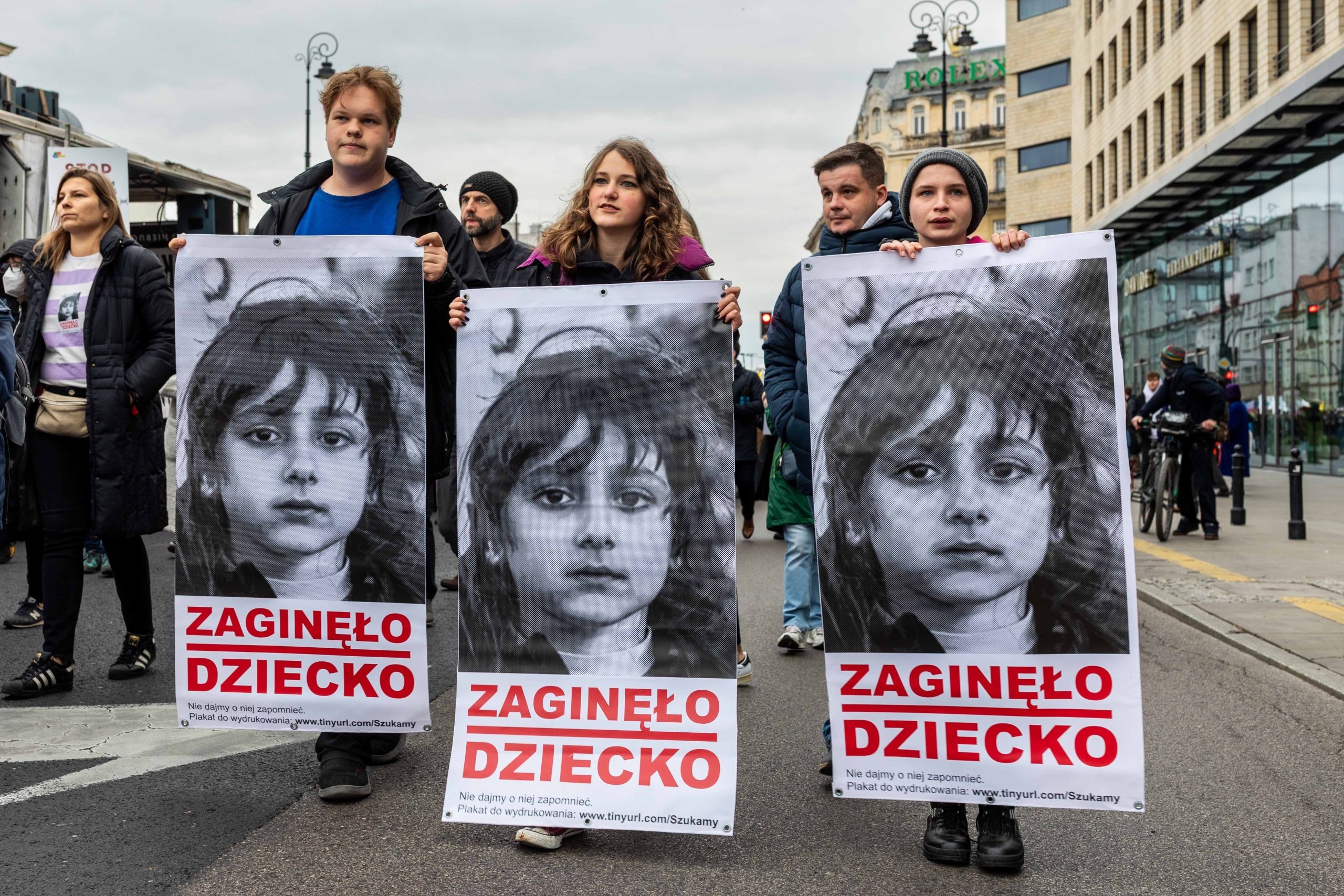
The practice of pushbacks also affected particularly vulnerable people: women, including pregnant women, and children (teenagers also appear in the reports).
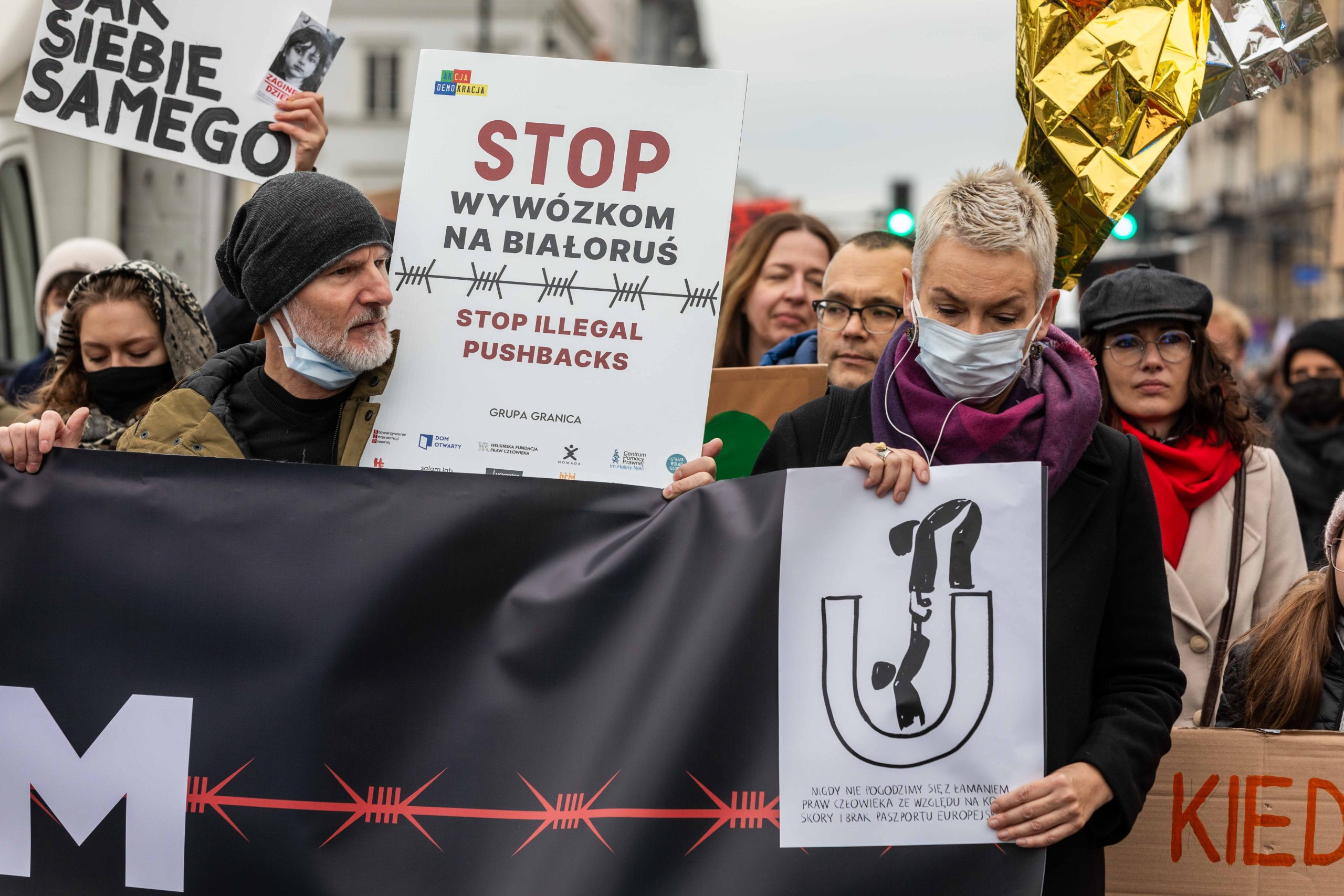
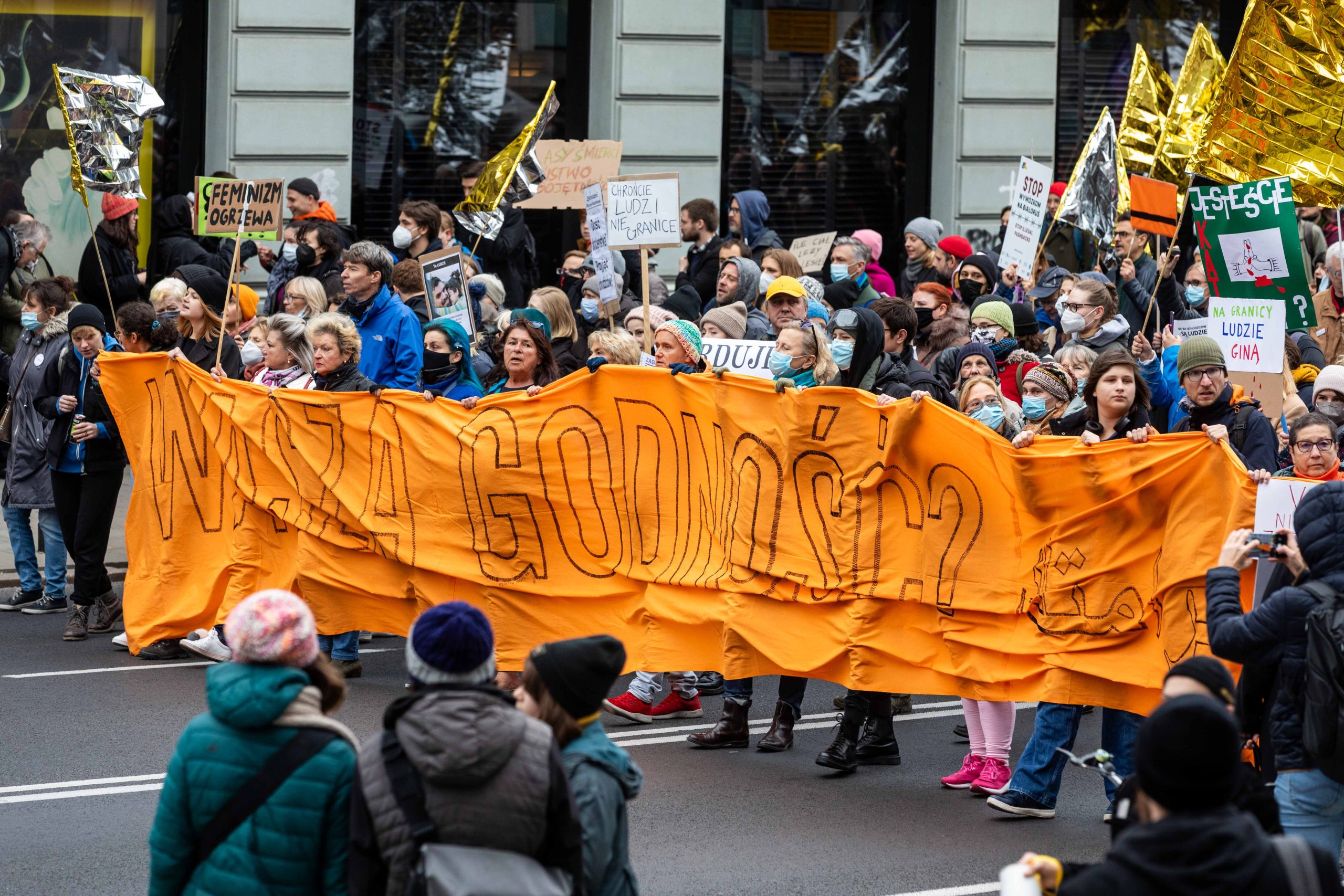
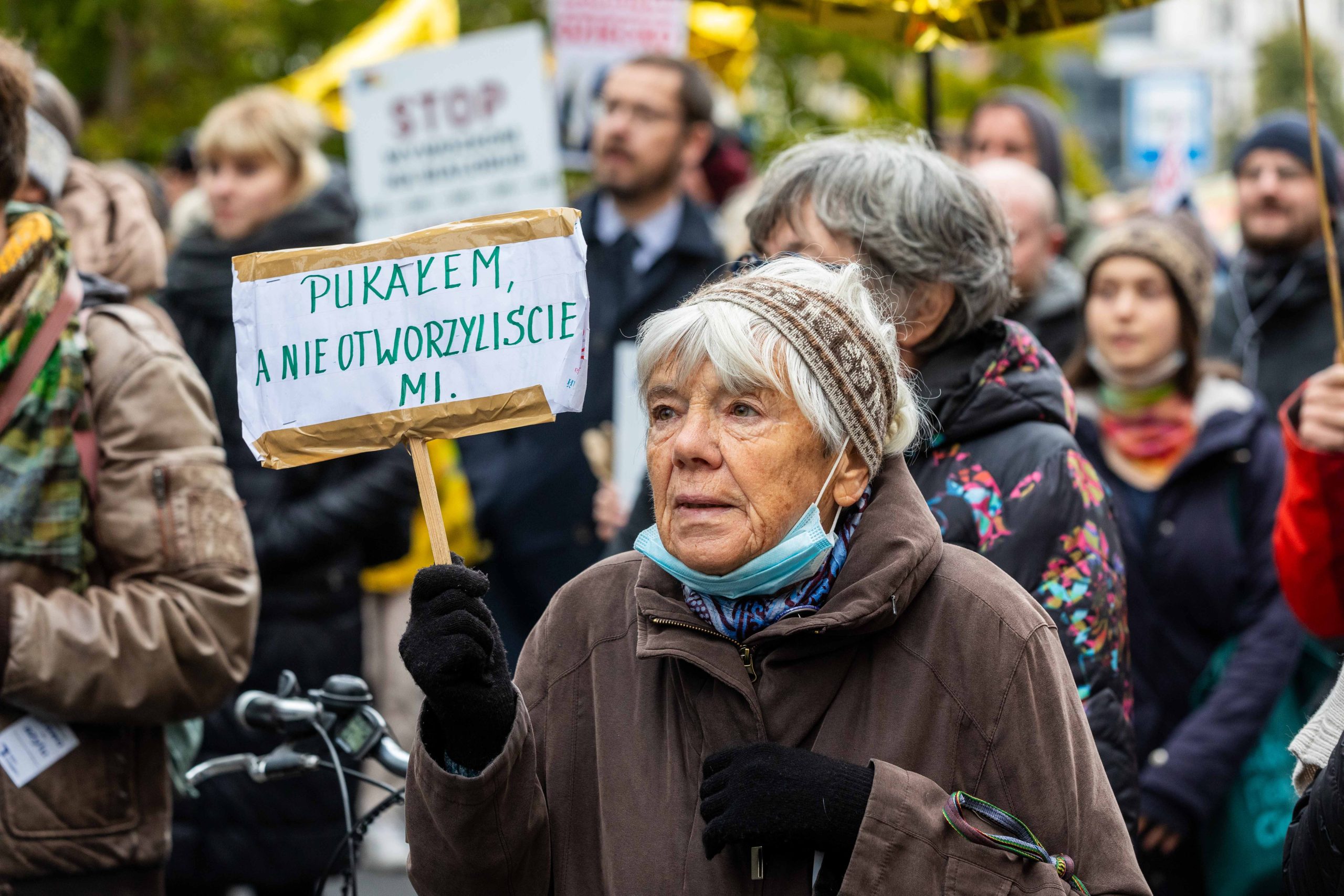
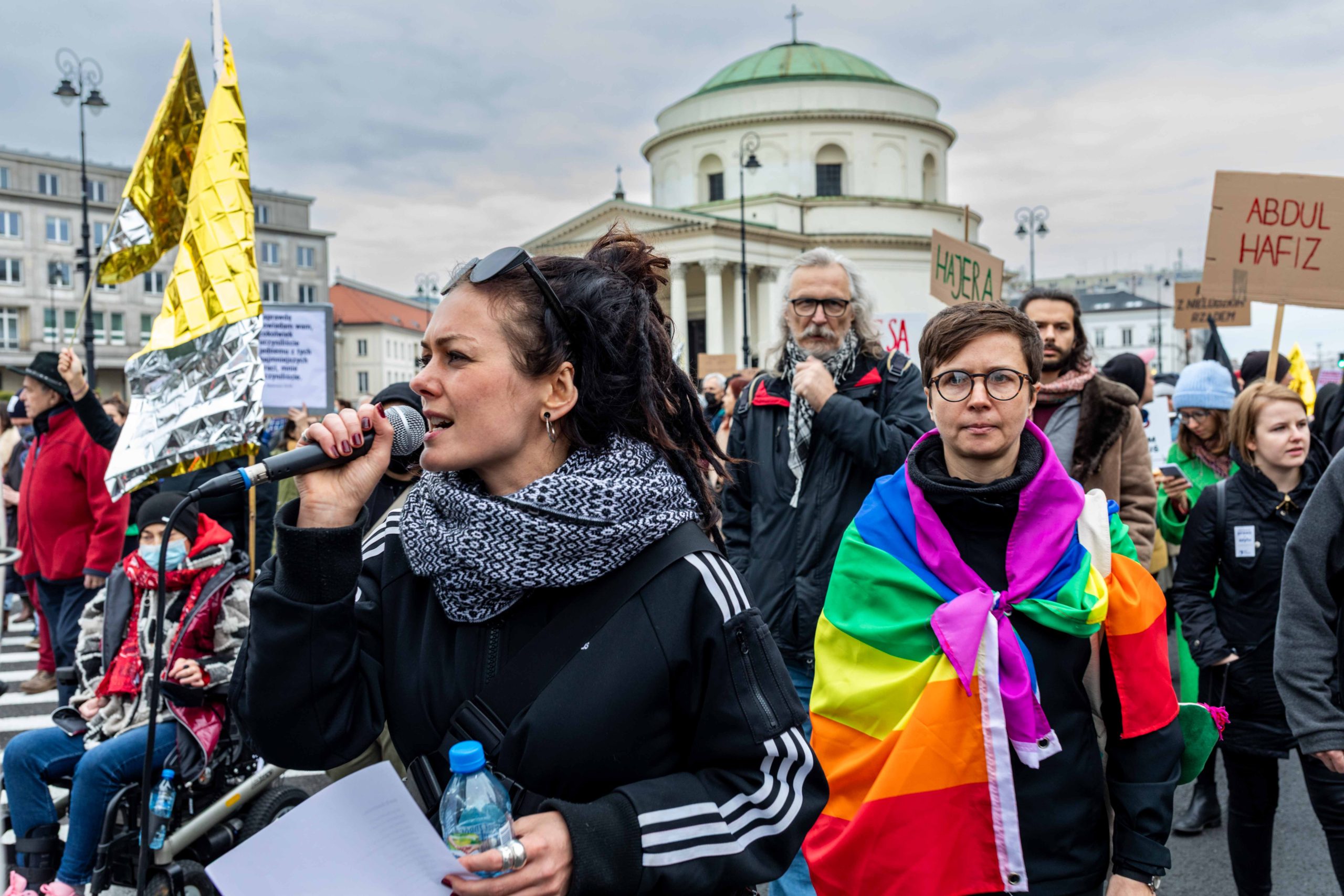
Grassroots aid networks have been set up by the community, including Grupa Granica (since August 2021), which provides water, food, dry clothes, medical and legal support, and documents the actions of the authorities. Protests against pushbacks took place in many cities (e.g. ‘Stop torture at the border’ in October 2021). The public debate also criticised the xenophobic and racist elements of the message conveyed by some PiS politicians, who portrayed people at the border as a homogeneous ‘threat’, which, according to critics, encouraged social acceptance of harsh border practices.