2022. Poland. March of Remembrance of the Cursed Soldiers
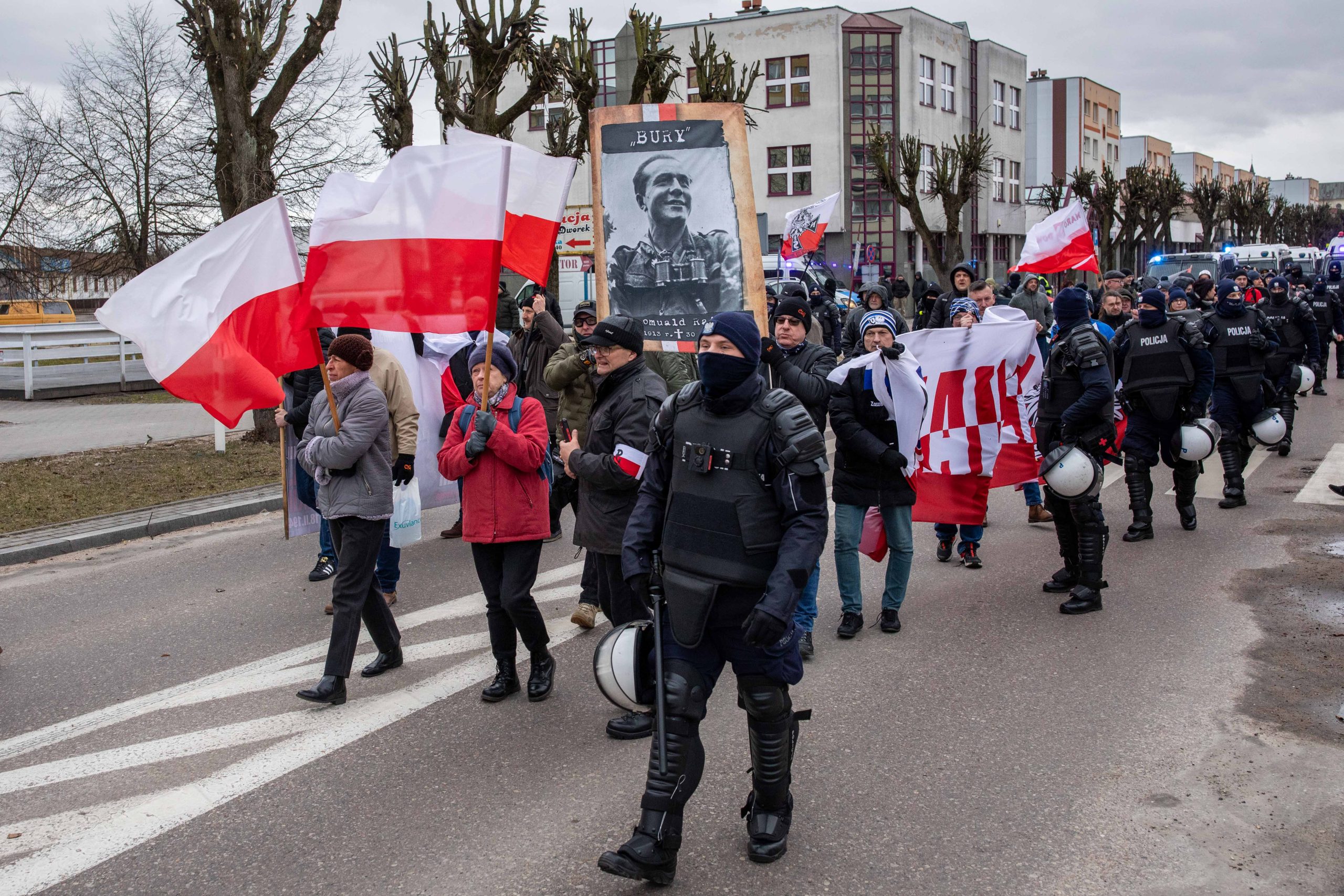
Captain Romuald Rajs ‘Bury’, commander of the NZW (National Military Union) unit, carried out pacification operations against Orthodox Belarusian villages in the vicinity of Bielsk Podlaski (including Zaleszany, Wólka Wygonowska, Zanie, Szpaki, and Puchały Stare) in the winter of 1946. Dozens of civilians were killed – local memory speaks of 79 victims; the IPN investigation assessed these acts as crimes bearing the hallmarks of genocide.
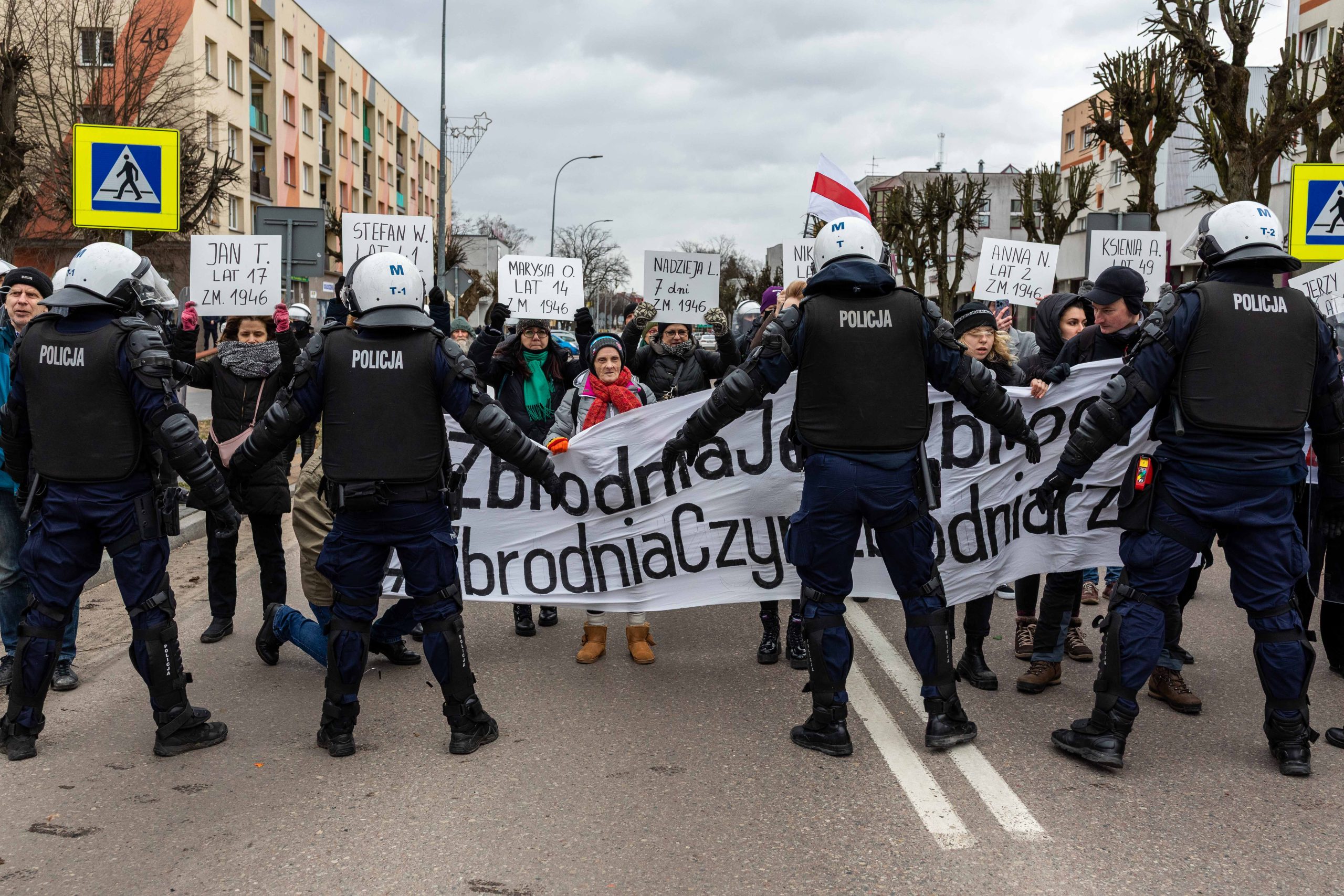
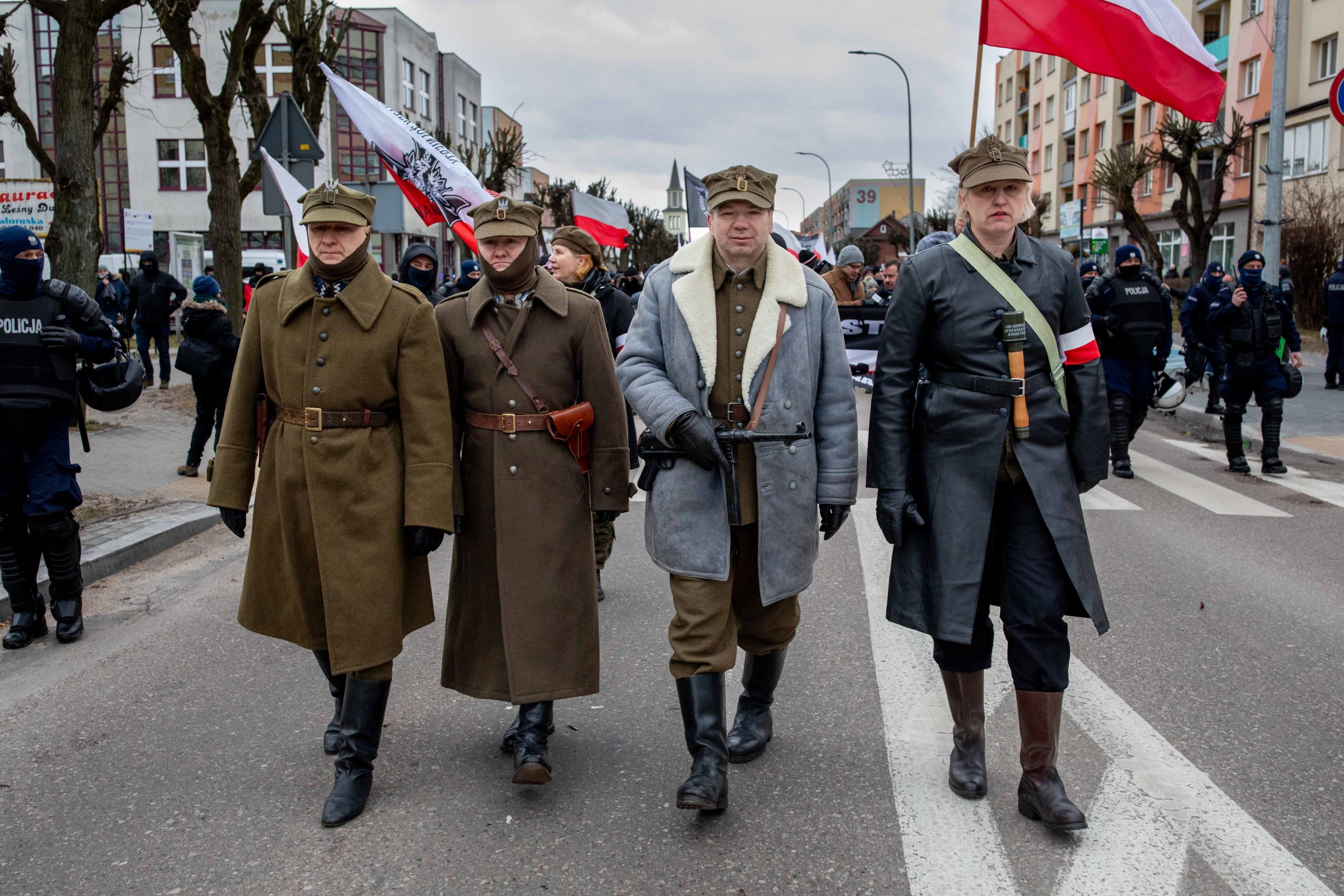
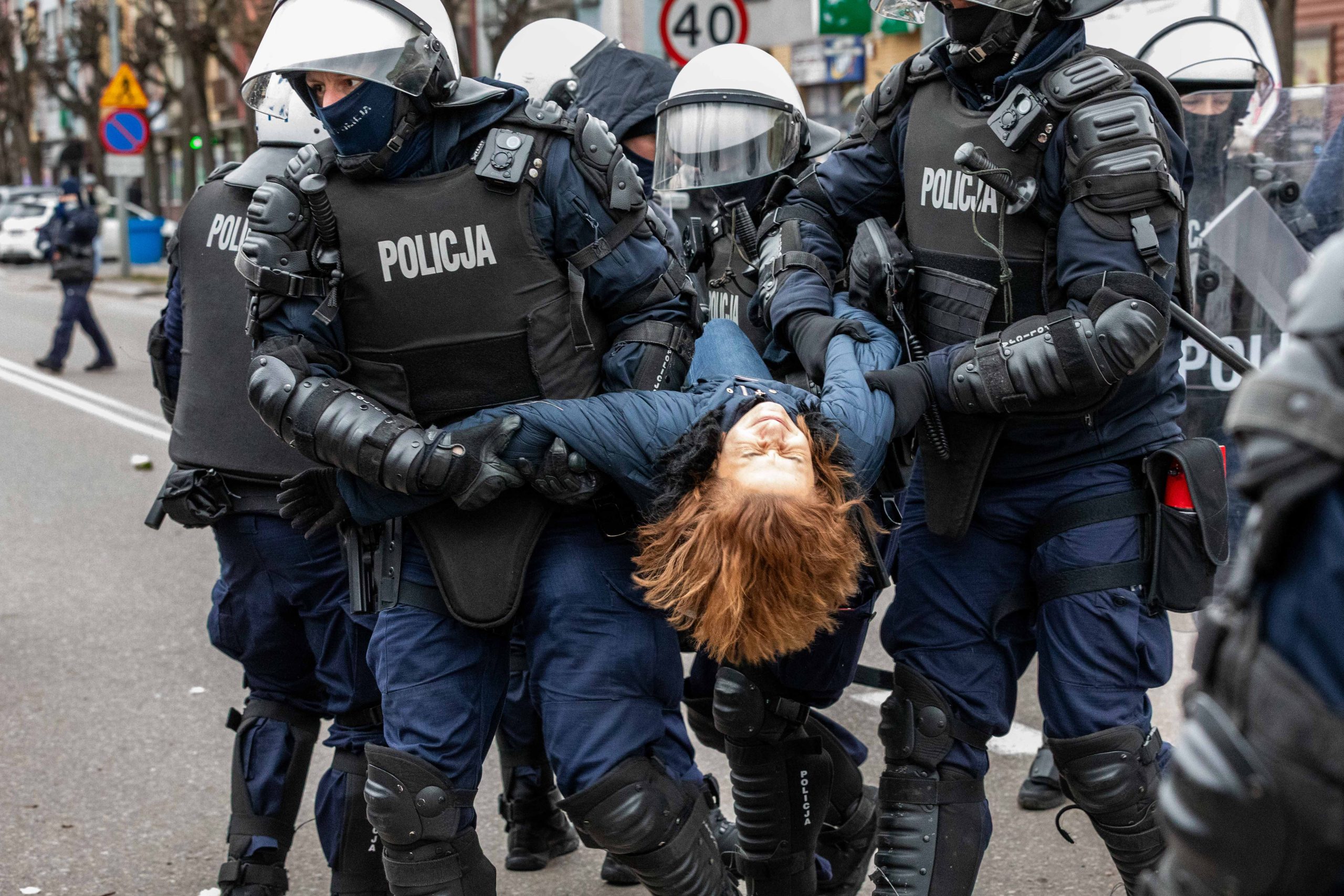
Despite this, nationalist circles have been organising the ‘March of Remembrance of the Cursed Soldiers’ in Hajnówka for years, in which ‘Bury’ is sometimes presented as a hero. In 2022, the culmination took place on Saturday, 19 February 2022: about 100 participants marched through the town, while residents and activists commemorated the victims of the pacification.
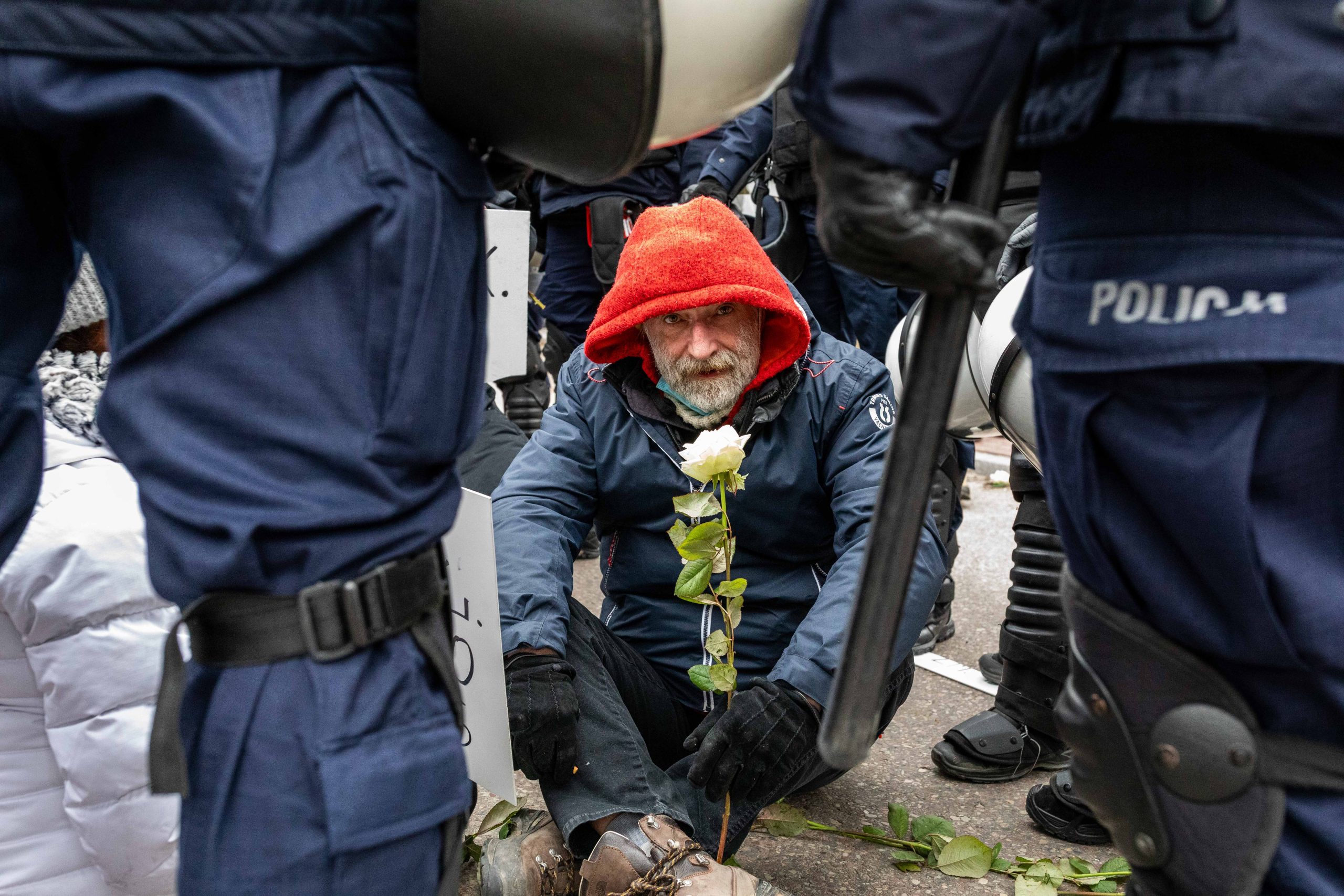
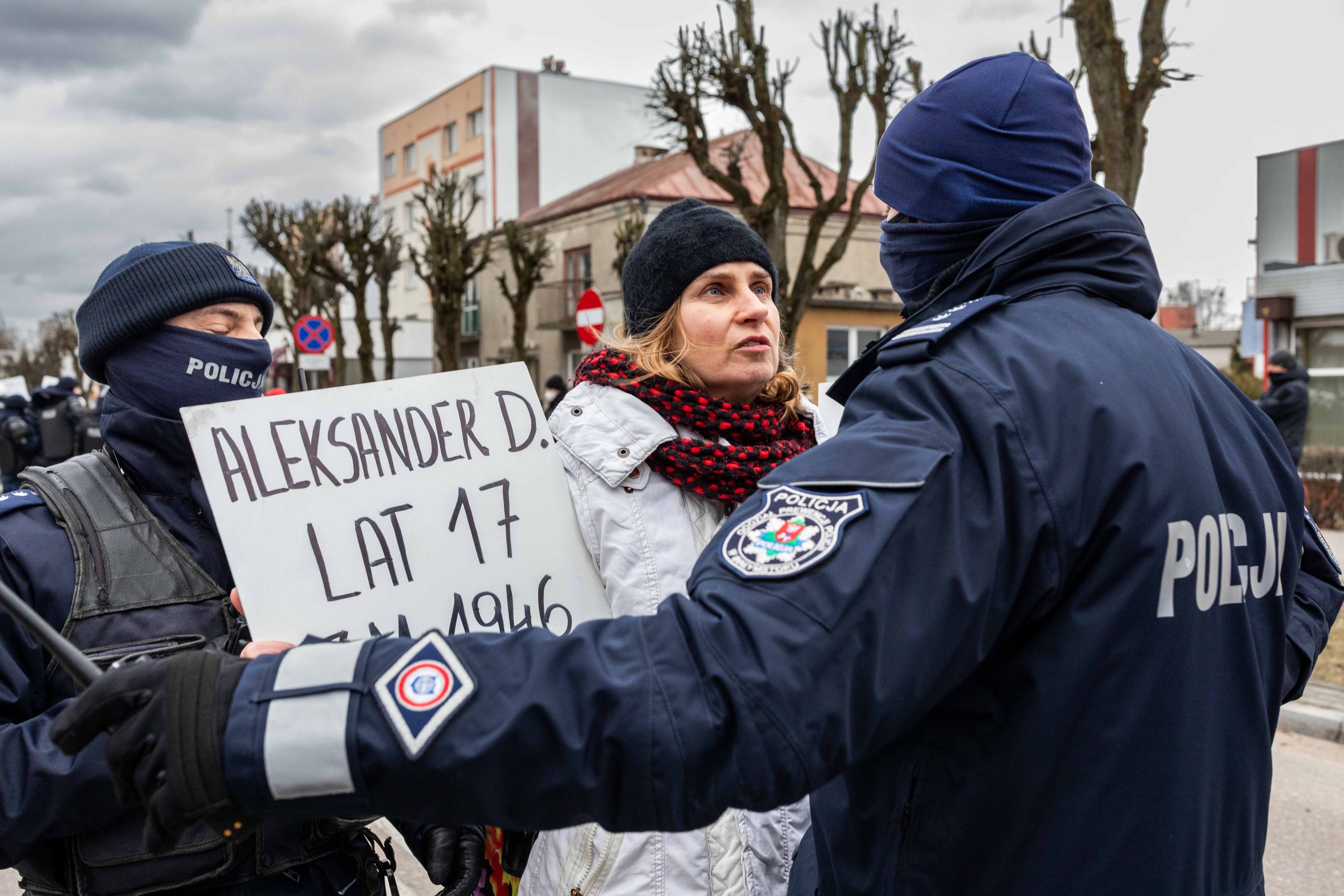
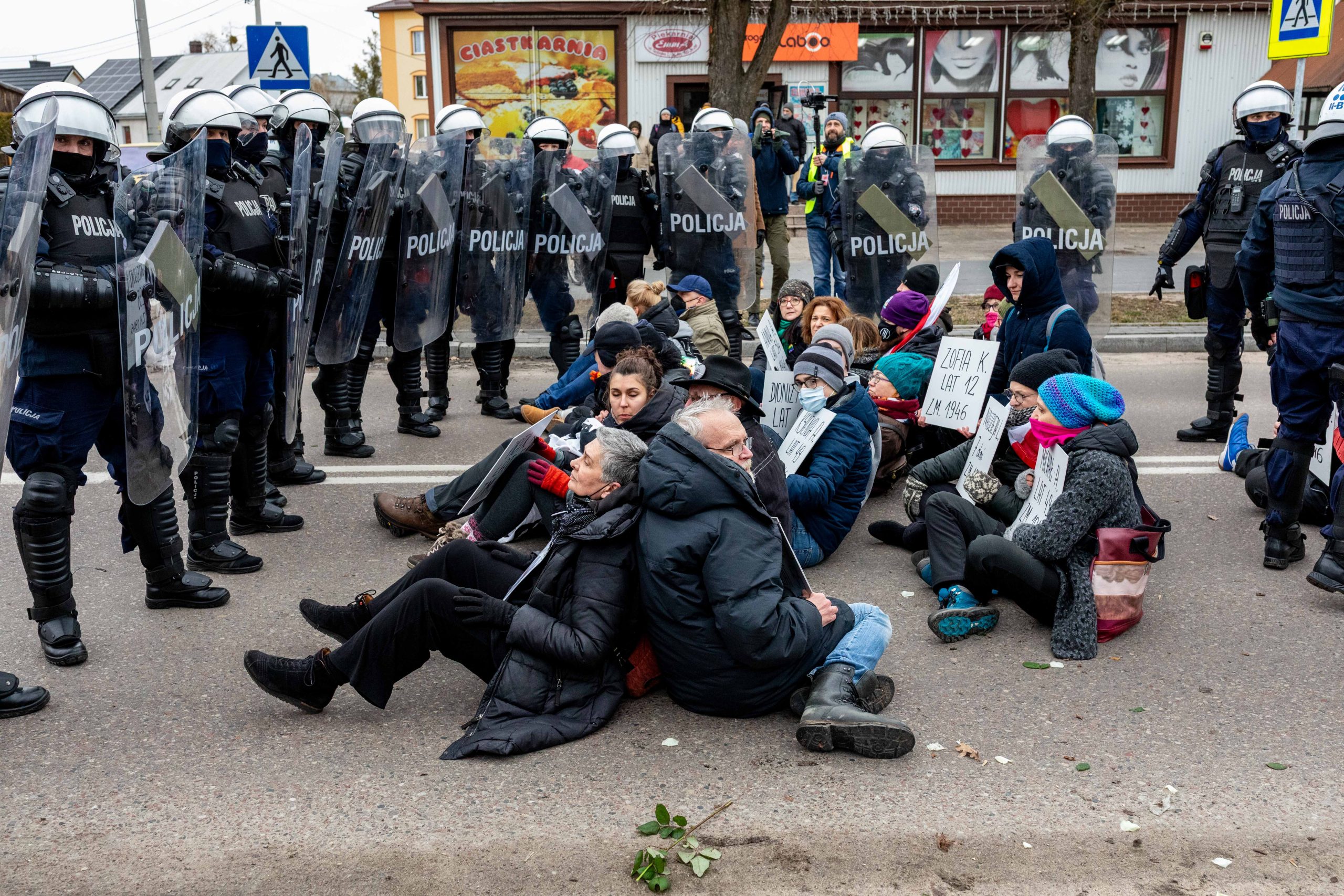
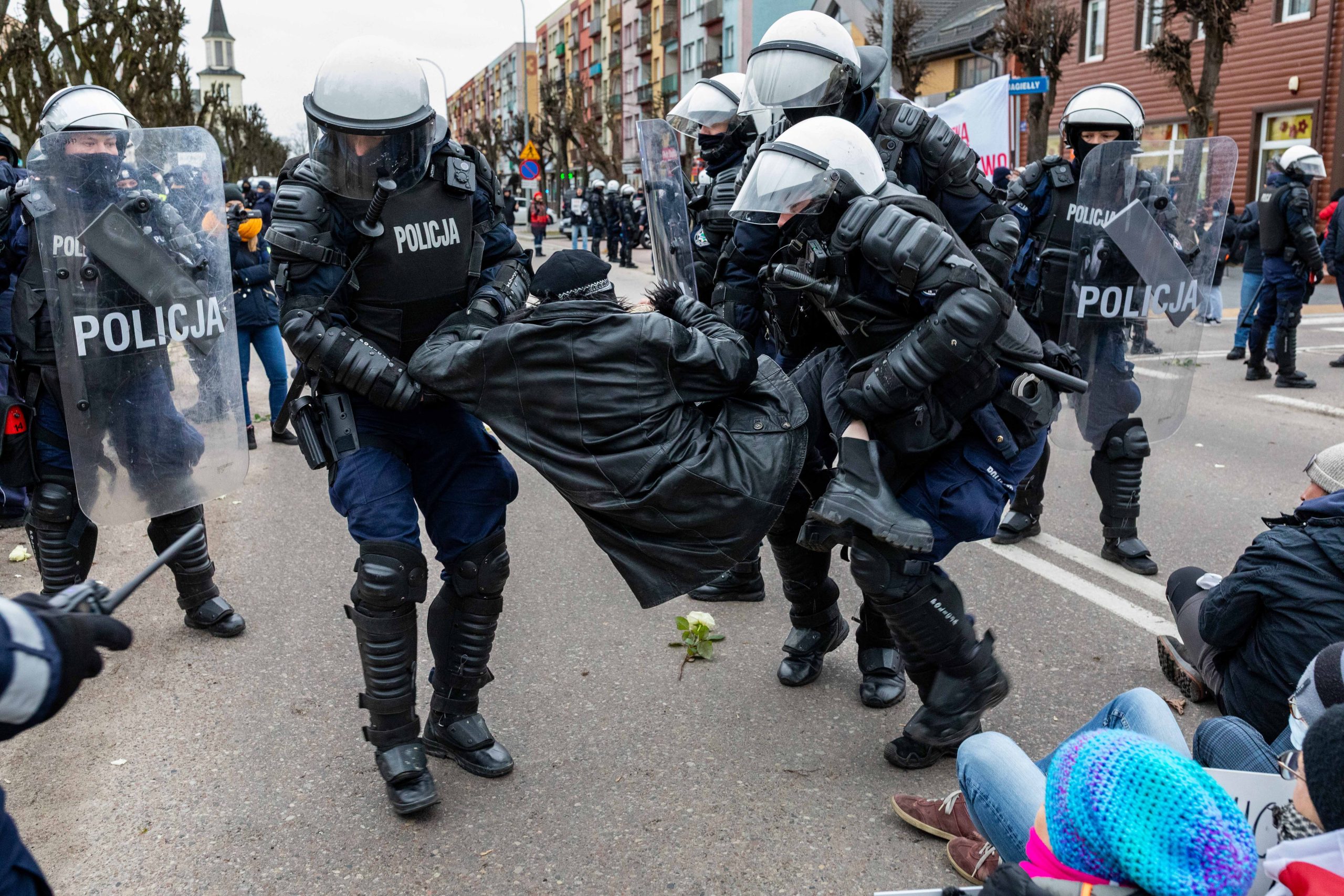
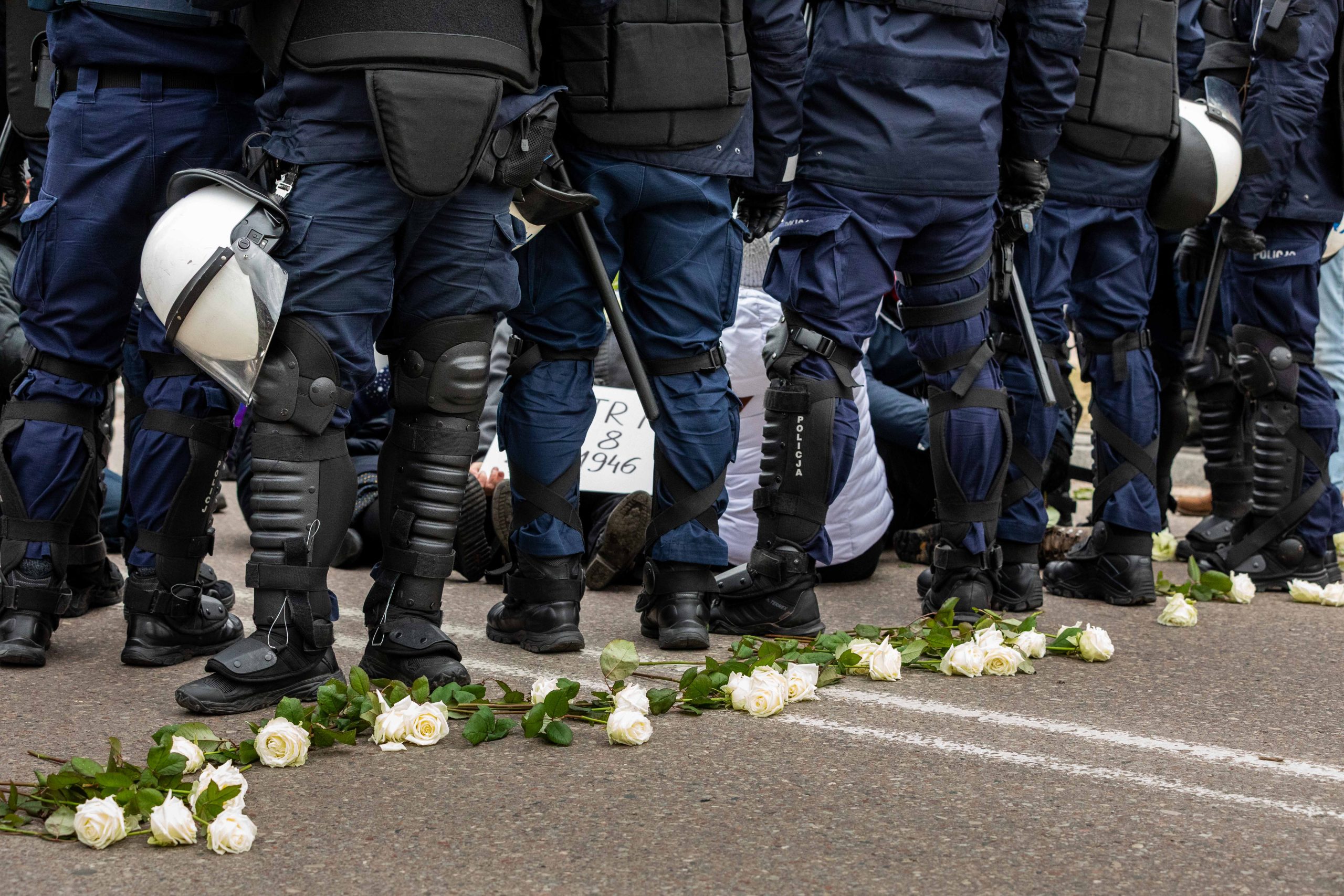
Civil protests – including those by Citizens of the Republic of Poland and people associated with the local community – took the form of peaceful counter-demonstrations and attempts to block the march route with slogans such as ‘Bury is not a hero’. The police removed the blockaders and initiated proceedings against some of the counter-demonstrators.
For the protesters, the stake was not an abstract ‘war over history’, but the right to remember the civilians from neighbouring villages and opposition to the public glorification of the perpetrator of the crime. Hajnówka – a town at the crossroads of cultures, with a strong Orthodox presence – has thus become a symbol of the conflict between the narrative glorifying the ‘cursed soldiers’ and the experience of the victims and their families.